
Municipal & DOT fleet water recycling Systems
compliant solutions for every operation
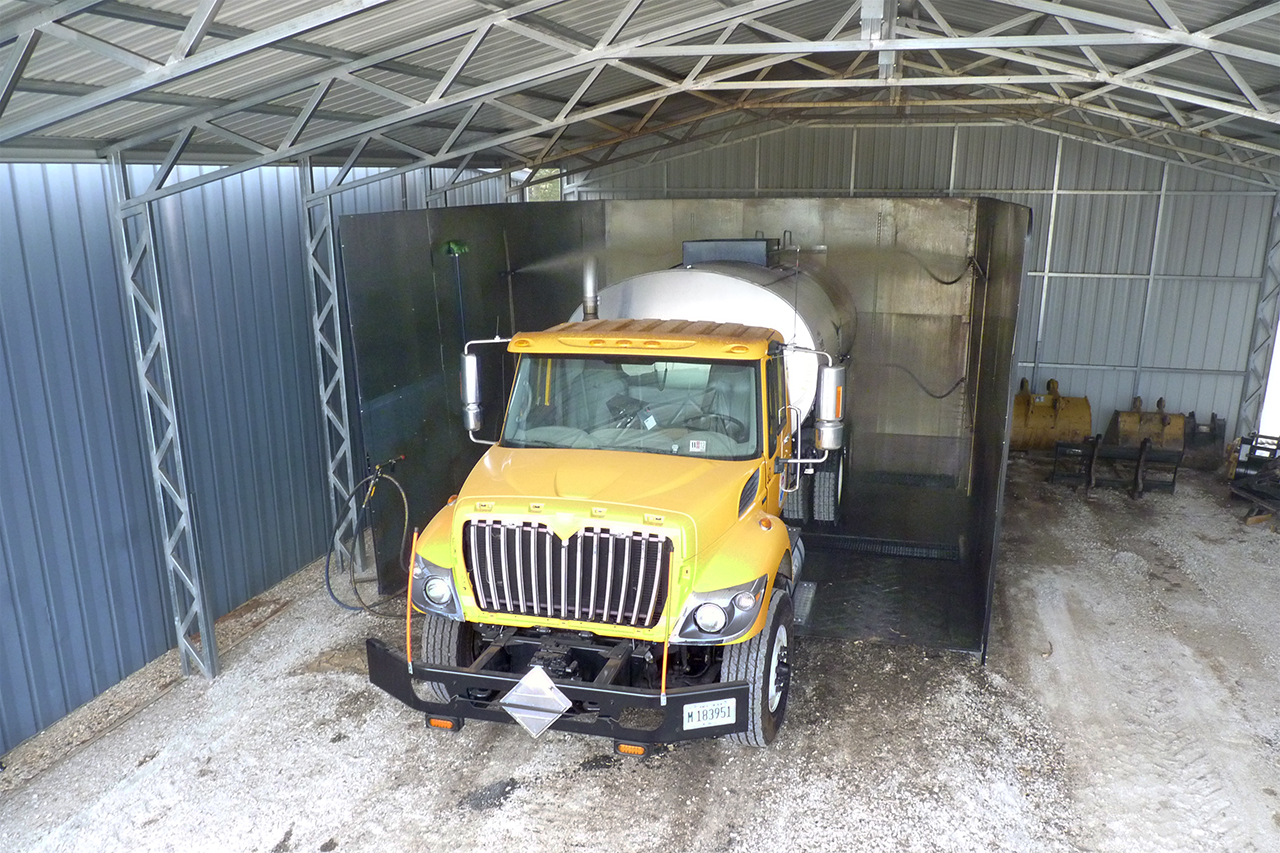
Municipal and DOT operations must comply with strict wash water regulations. Public works departments clean salt trucks, street sweepers, and fleet vehicles, and those activities generate contaminated runoff. The EPA’s NPDES program and MS4 requirements prohibit discharging untreated wash water into storm sewers or groundwater. Riveer’s wash rack systems give public works departments a compliant way to keep equipment clean without running afoul of those requirements.
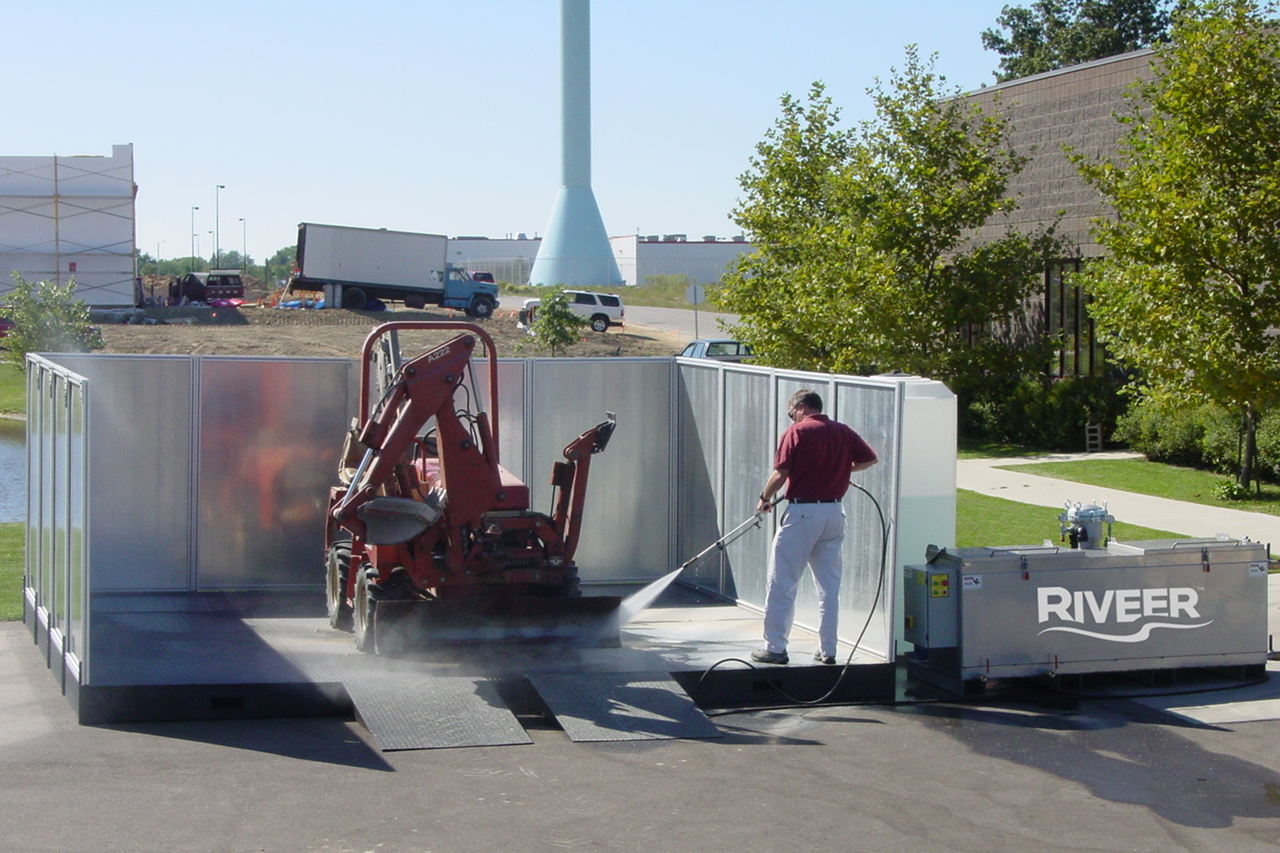
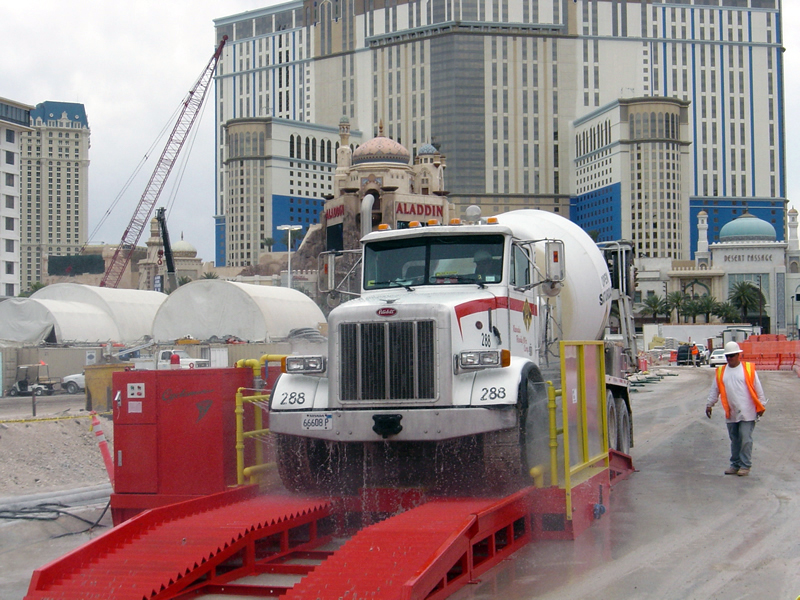
Above-ground steel wash racks install quickly without permits, while permanent concrete pads integrate into new construction. Both options capture contaminated wash water and remove oils and solids, so water can be recycled for reuse or treated for safe discharge. These systems keep fleets operational, meet environmental standards, and help departments avoid regulatory penalties.
Staying Compliant with NPDES and MS4 Requirements
Wash water isn’t like stormwater. It’s contaminated with the solvents, chemicals, oils, and metals it picks up from vehicles and equipment during cleaning, so it can’t be discharged onto the ground or into a storm sewer the way rainwater can. The EPA’s National Pollutant Discharge Elimination System (NPDES) regulates stormwater runoff from municipal separate storm sewer systems, or MS4s, along with construction and industrial activity, and most public works departments now operate under an MS4 permit that treats wash water and stormwater as separate problems to solve.
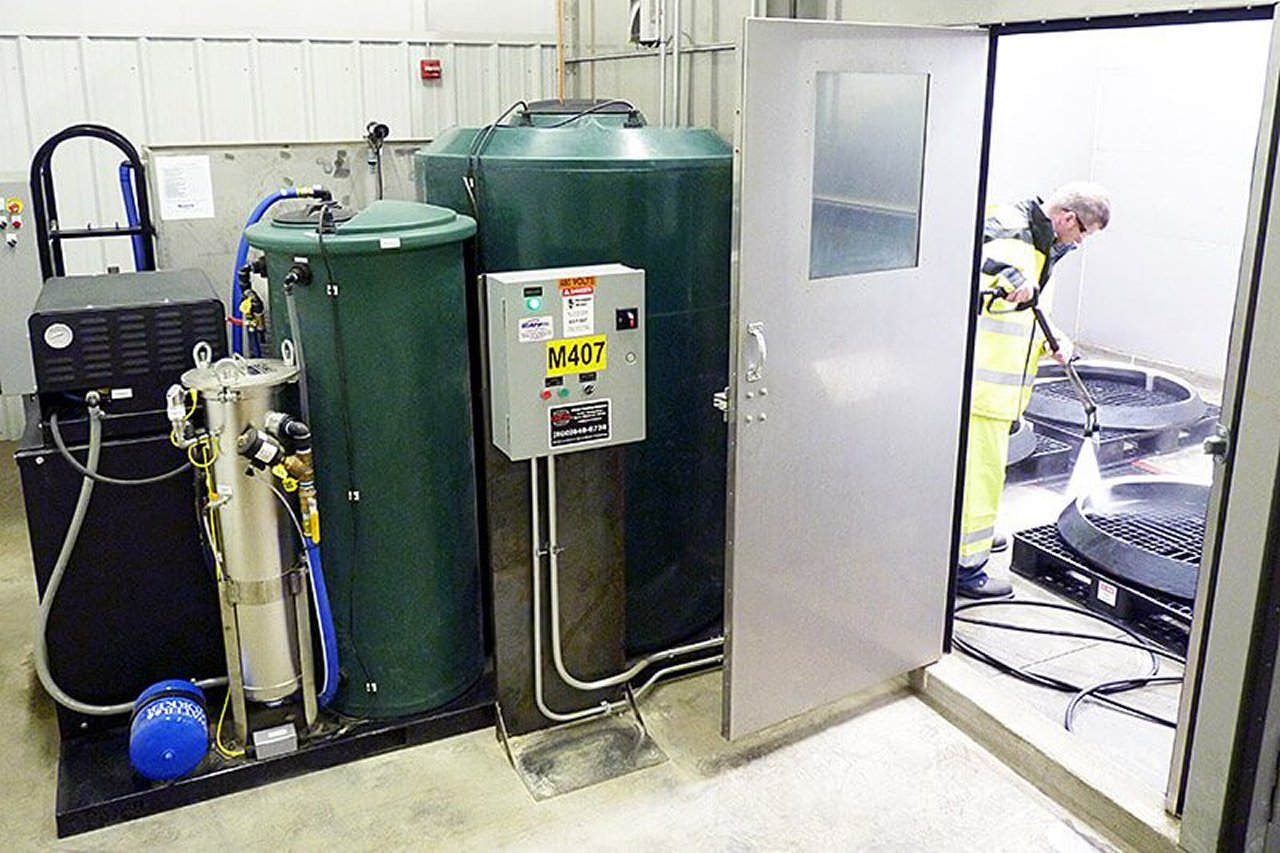
The standard approach is straightforward: capture the dirty wash water, filter it for large particles and oils, treat it for remaining contaminants, and recycle it wherever possible to minimize water consumption. A wash rack and filtration system is the most practical way to do that consistently, whether it’s a single truck bay or a full fleet maintenance yard.
Municipal And DOT Wash System Features
- Above-ground steel wash racks install quickly without permits
- Permanent concrete pad option integrates into new construction or facility renovations
- Captures wash water contaminated with solvents, chemicals, oils, and metals
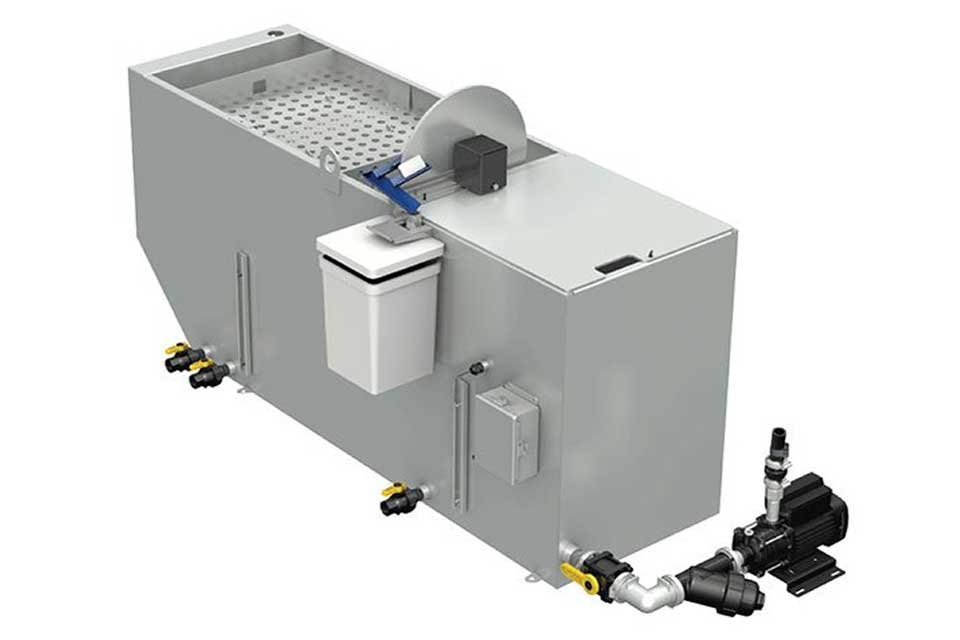
- Treatment removes solids and oils so water can be recycled or safely discharged
- Supports NPDES and MS4 compliance for public works departments
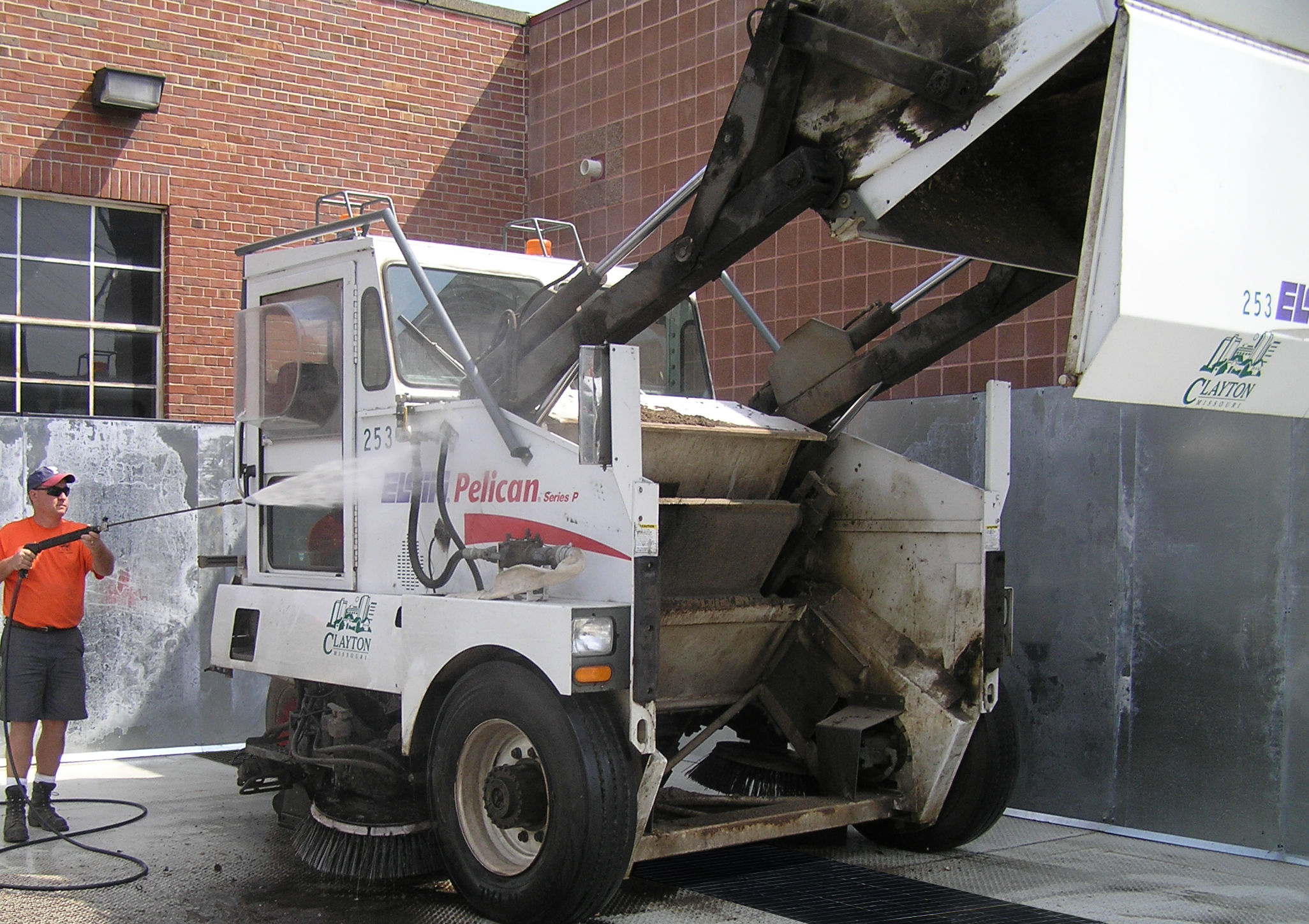
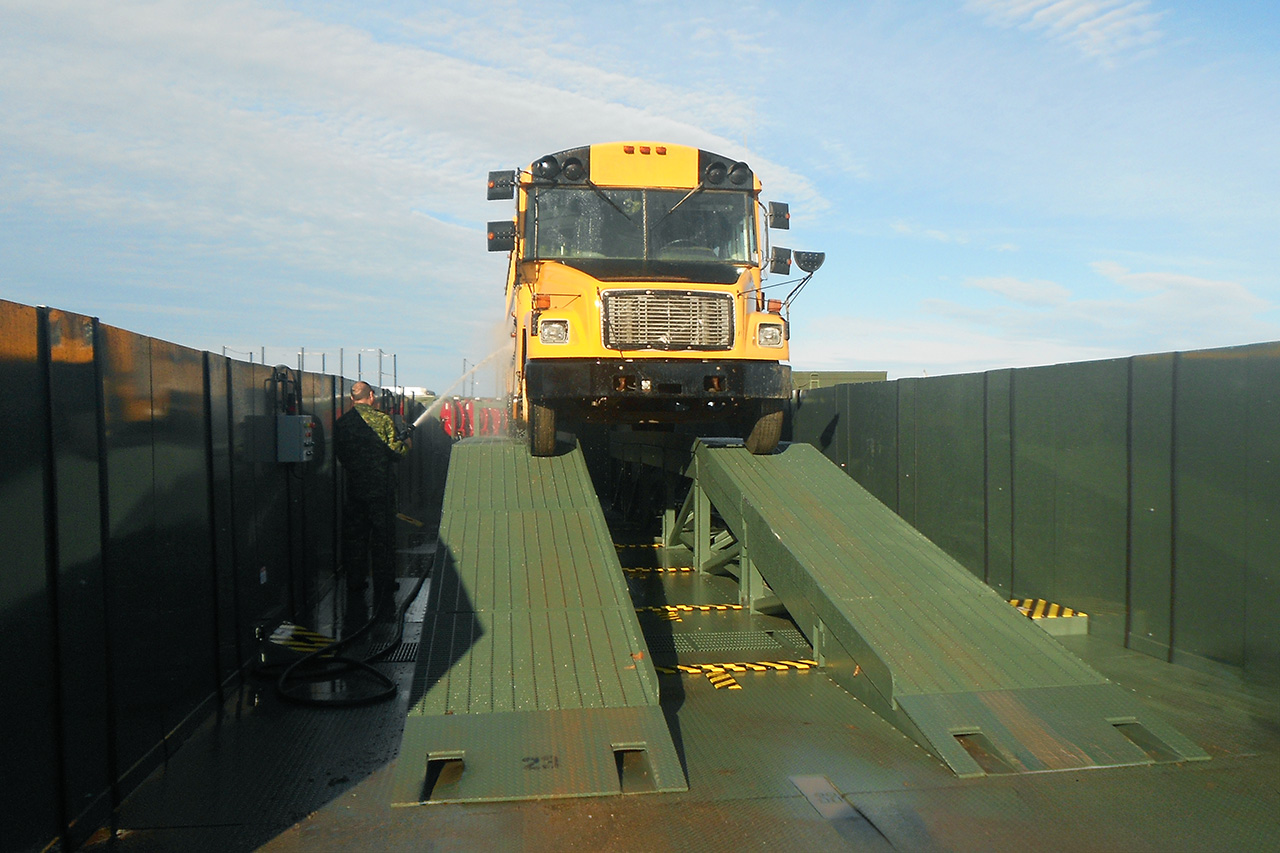
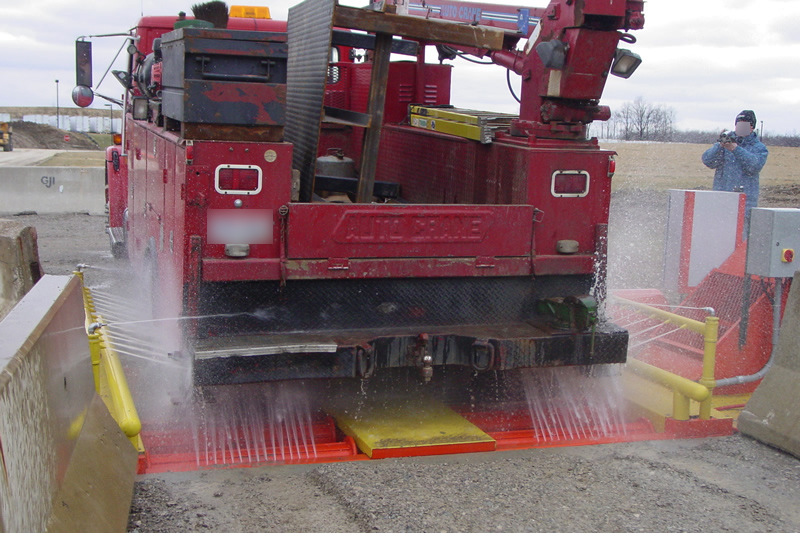
- Handles salt trucks, street sweepers, buses, dump trucks, and vans
- Reduces water consumption through recycling for zero-discharge operation
Concrete Pad or Above-Ground Steel Rack?
For new construction and major facility renovations, a permanent concrete wash pad can be built into the site from the start. For departments updating an existing wash bay, an above-ground steel rack installs quickly without permits and can be relocated or reconfigured as needs change. Either option can be paired with treatment and filtration systems sized to the department’s vehicle volume, from a single-bay setup to a full fleet maintenance facility.
Related Capabilities
Equipment Washing
Wash Water Containment
Wash Water Treatment & Filtration
Related Systems
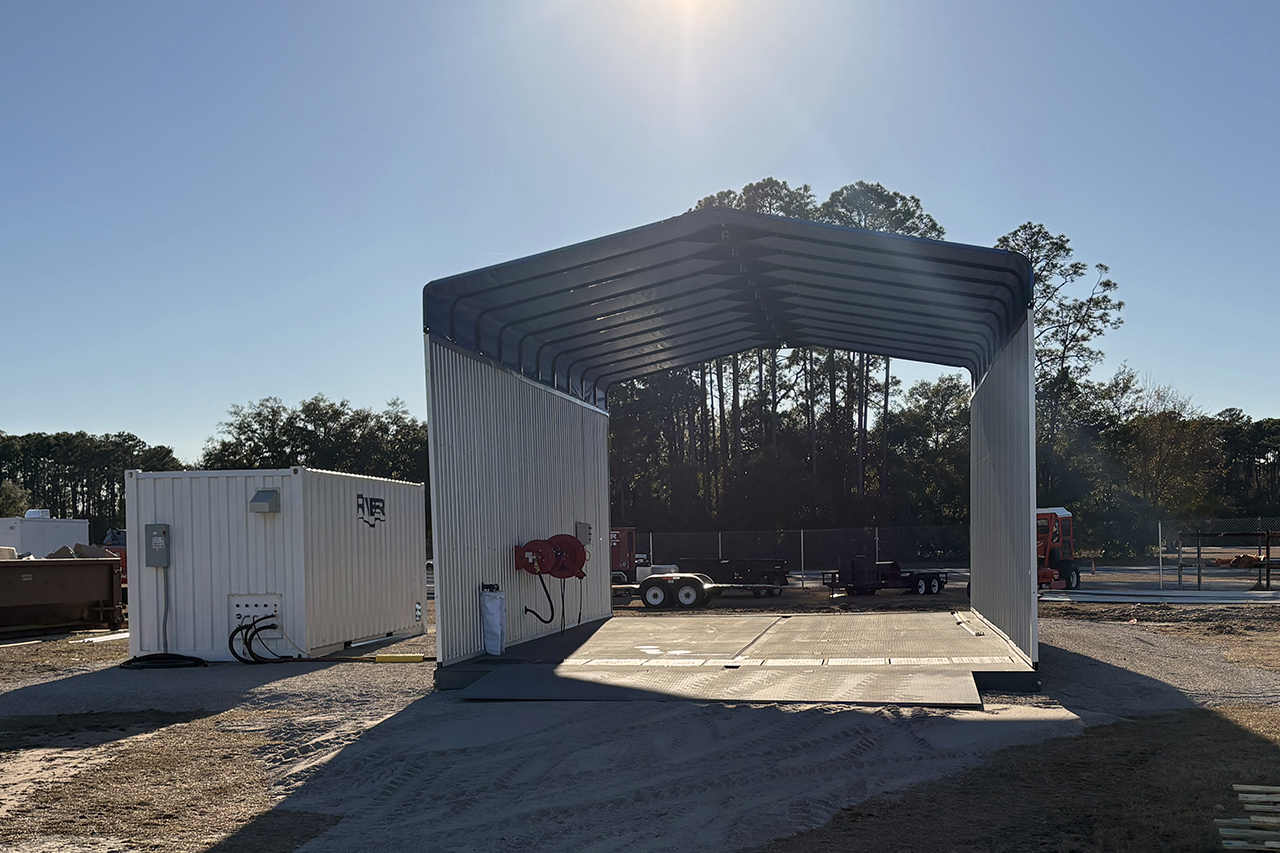
Above Ground Wash Racks
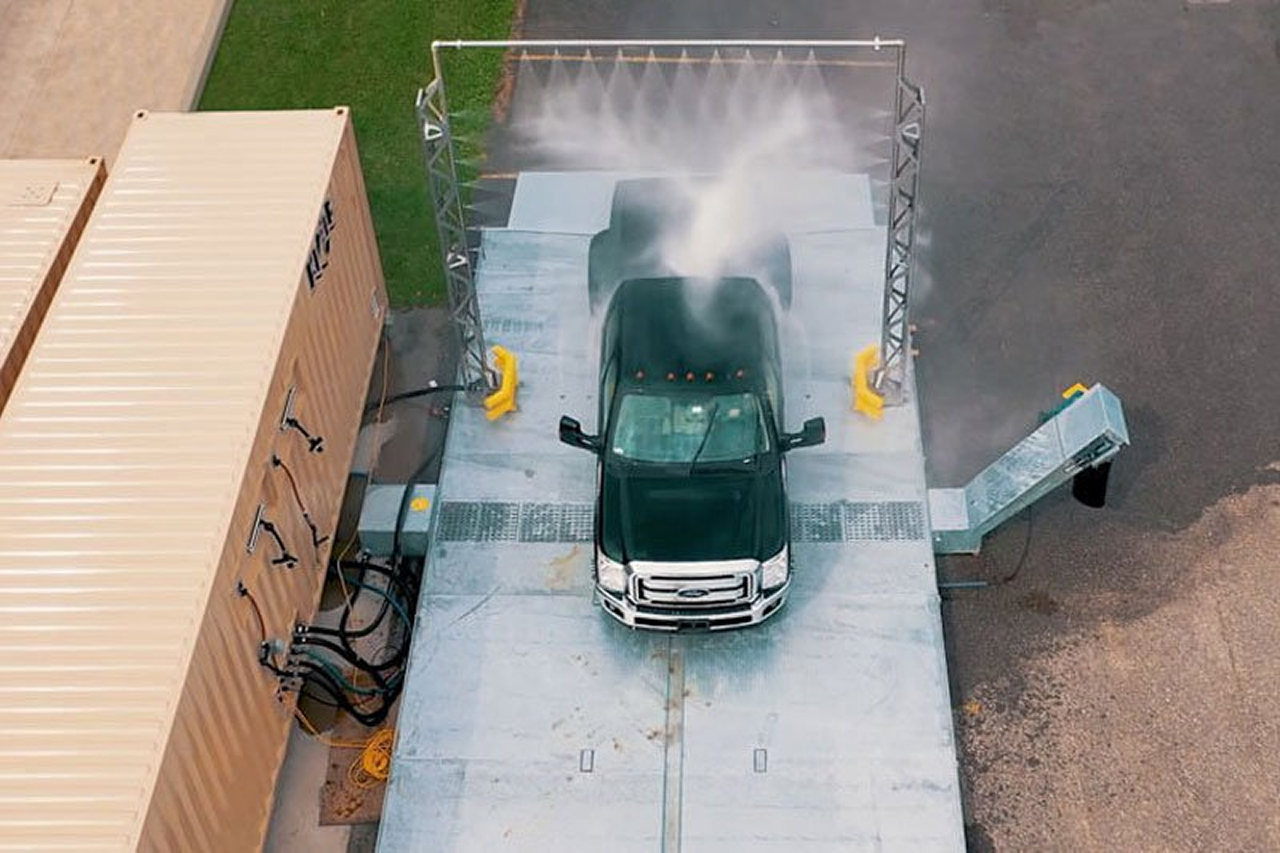
Off-Grid Wash System (NOMAD)
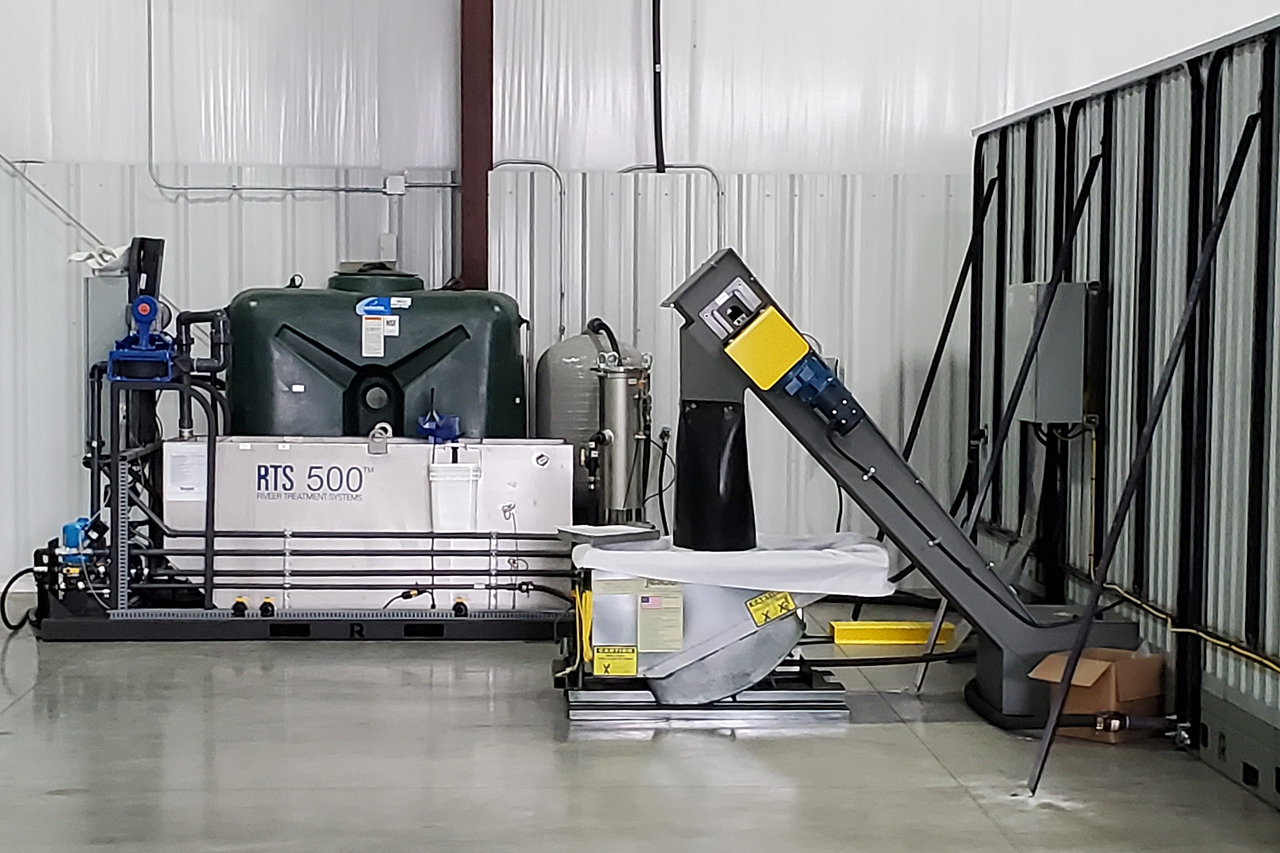
Standard Water Treatment System (RTS 500)
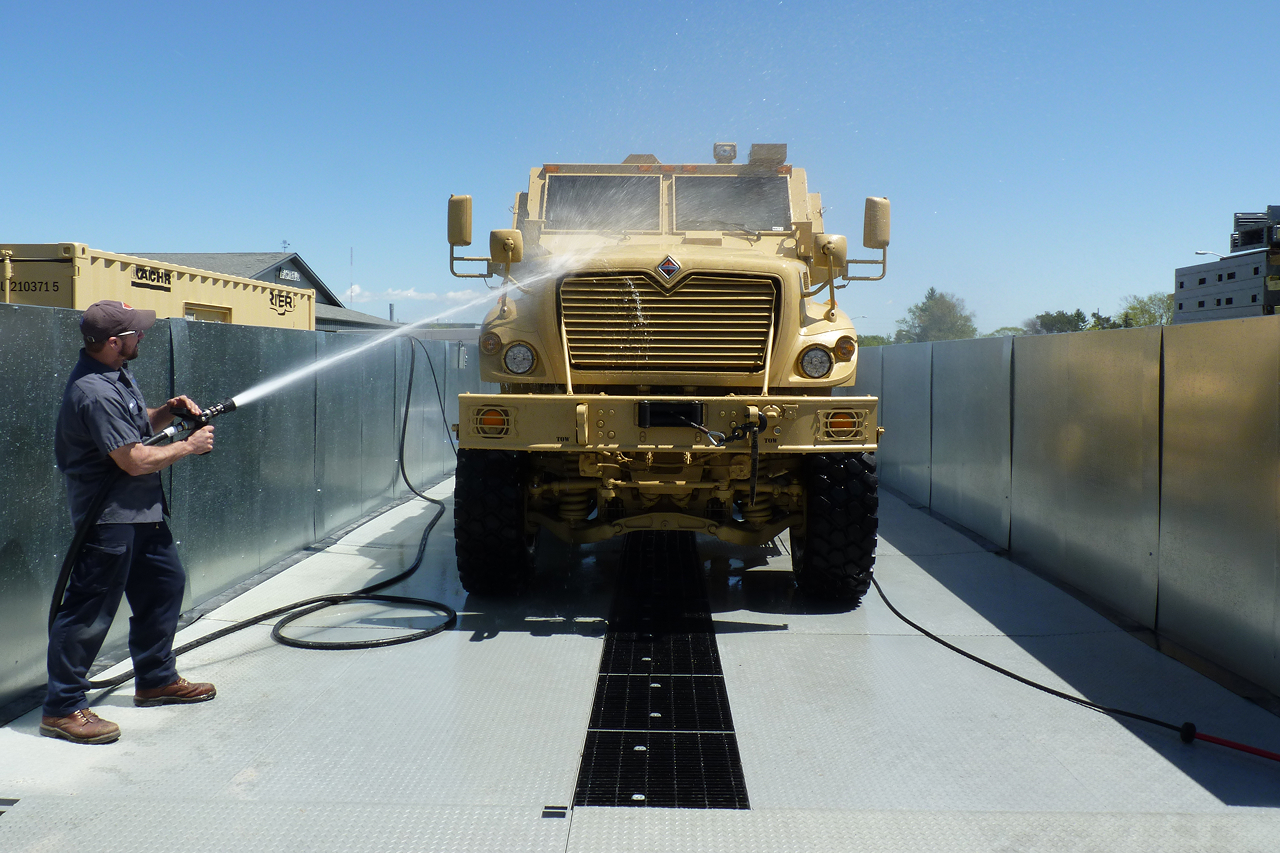
Military Vehicle Wash System (VWS)
Oil Water Separators
Image Gallery
Municipal & DOT Water Systems FAQs
What is NPDES and how does it affect wash water at a public works facility?
The National Pollutant Discharge Elimination System (NPDES) is an EPA program that regulates stormwater runoff, including discharge from municipal separate storm sewer systems (MS4s). Wash water contaminated with solvents, oils, and metals falls under these requirements and generally can’t be discharged untreated into a storm sewer or onto the ground.
What is an MS4, and why does it matter for a wash rack?
An MS4 (municipal separate storm sewer system) is the stormwater infrastructure a municipality operates under a federal permit. Because MS4 systems are built to handle stormwater, not contaminated wash water, public works departments need a separate way to capture and treat wash water before it’s reused or discharged.
Do I need a permit to install a wash rack at a public works facility?
Riveer’s Above Ground Wash Racks are designed to install quickly without building permits, which makes them a practical option for updating an existing wash bay without a construction project.
Should a municipality choose a concrete wash pad or an above-ground steel rack?
A permanent concrete pad makes sense for new construction or major facility renovations. An above-ground steel rack is a better fit for departments that need a faster install without permits, or that may need to relocate or reconfigure the system later.
Can the same wash system clean buses and heavy fleet vehicles?
Yes. Systems like the Military Vehicle Wash System (VWS) are built to handle heavier vehicles and provide full undercarriage access, making them suitable for buses and other large fleet vehicles alongside standard municipal equipment.
Get Started With a Solution
Efficiently meet your compliance requirements and keep operations moving. Share your facility specifications and we’ll reach out to discuss a wash system that fits your budget and regulations.