
Equipment Rental Wash Racks
Fast and effective equipment cleaning
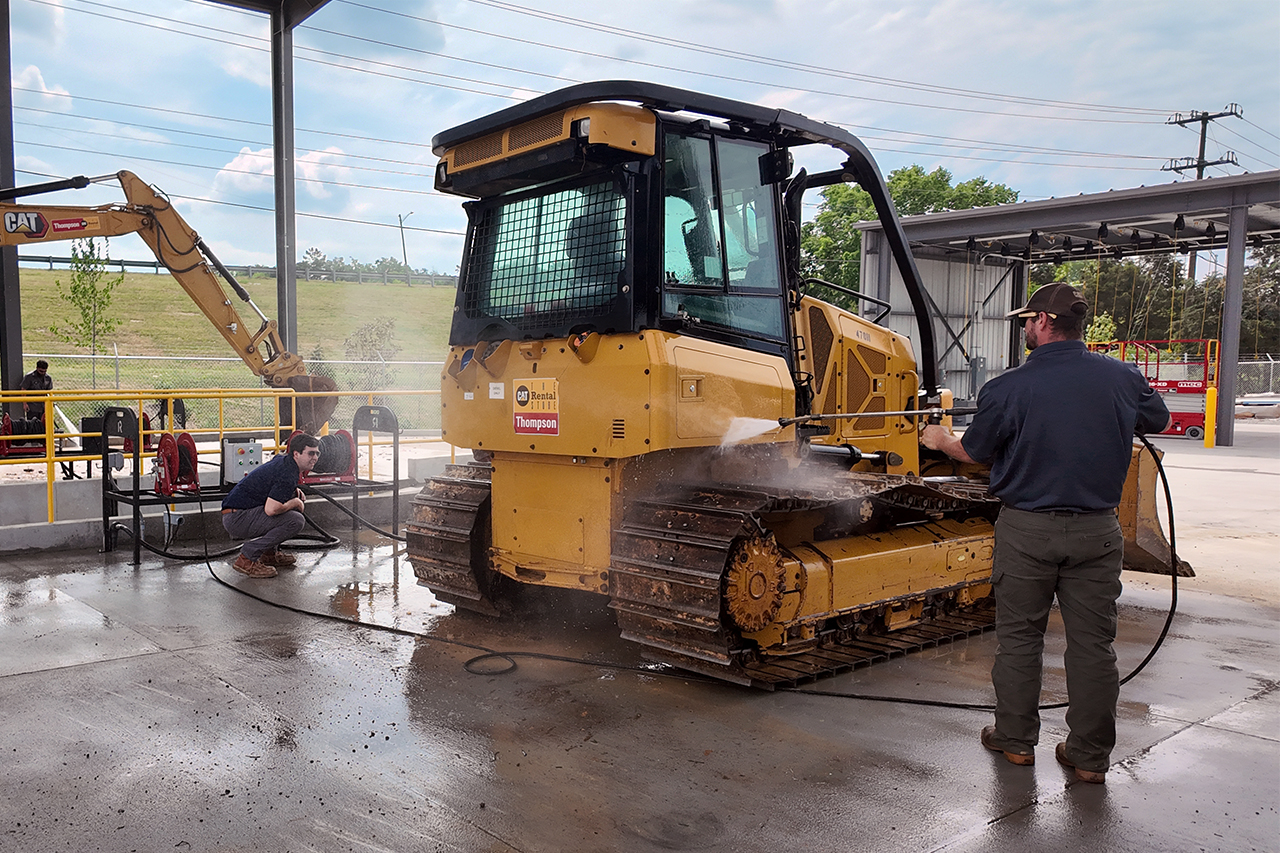
Every hour a piece of equipment sits waiting to be cleaned is an hour it isn’t earning rental revenue. Equipment rental companies need fast, thorough cleaning between rentals to protect asset value, meet customer expectations, and keep the yard turning.
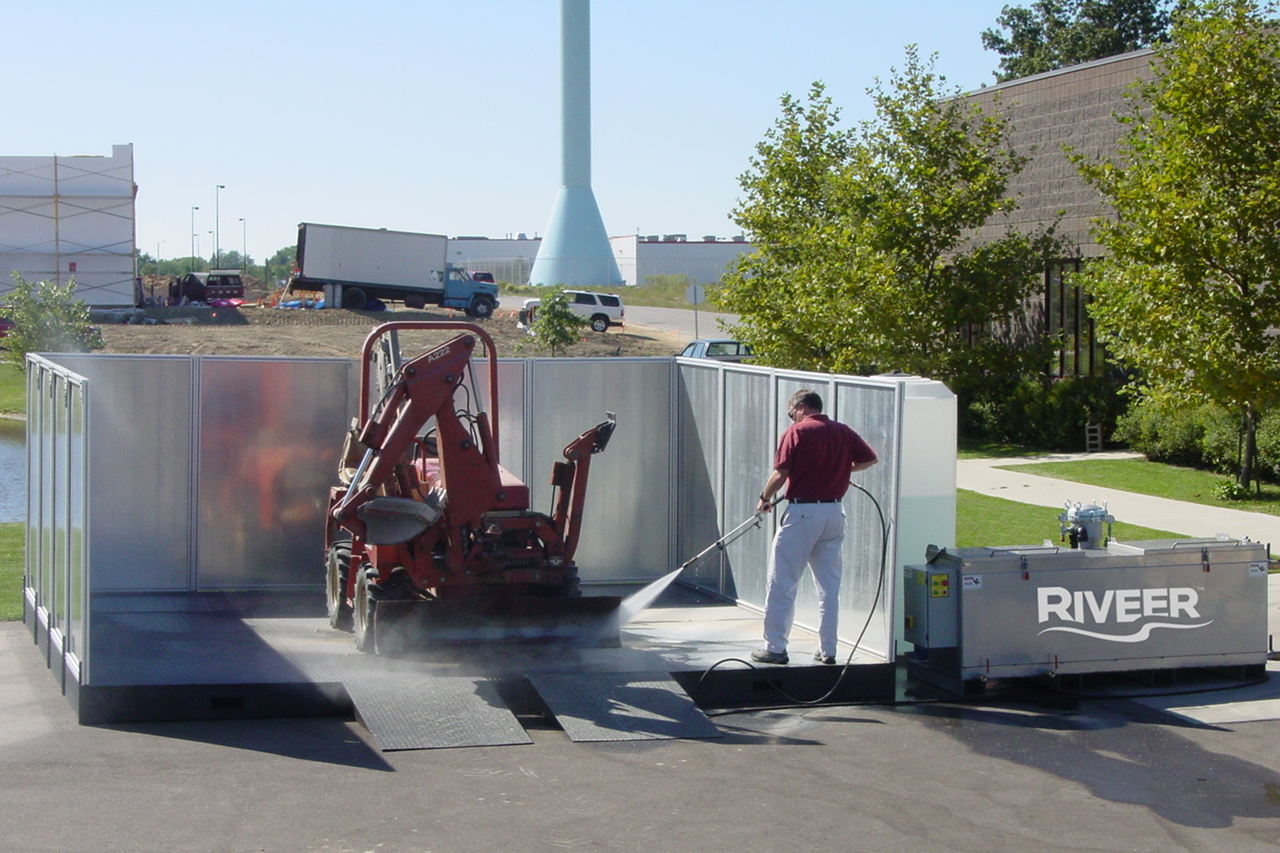
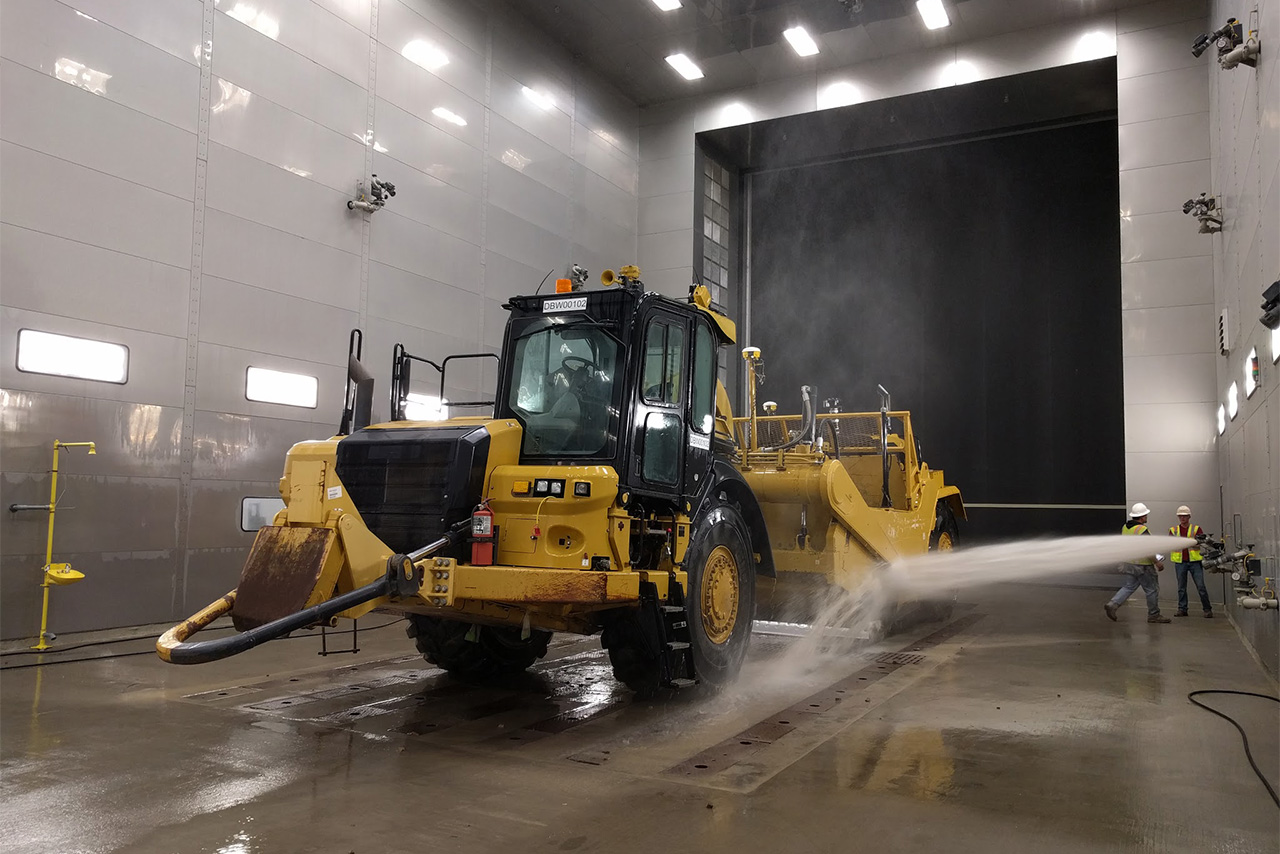
Riveer’s Above Ground Wash Racks install quickly without building permits, dropping into existing rental yards and maintenance facilities with minimal site work. They capture mud, dirt, and dirty water from equipment as it’s cleaned, so nothing runs off into the yard. For permanent facilities and larger fleets, in-ground cement wash pads pair with Riveer’s water treatment systems to handle heavier mud loads and higher wash volumes.
Both approaches reuse wash water to cut chemical and water costs while meeting environmental standards. Quick, thorough equipment washing protects equipment value, keeps customers satisfied, and delivers clean equipment ready for the next rental — without slowing down your turnaround.
Quick, compliant Wash Racks for Rental Yards
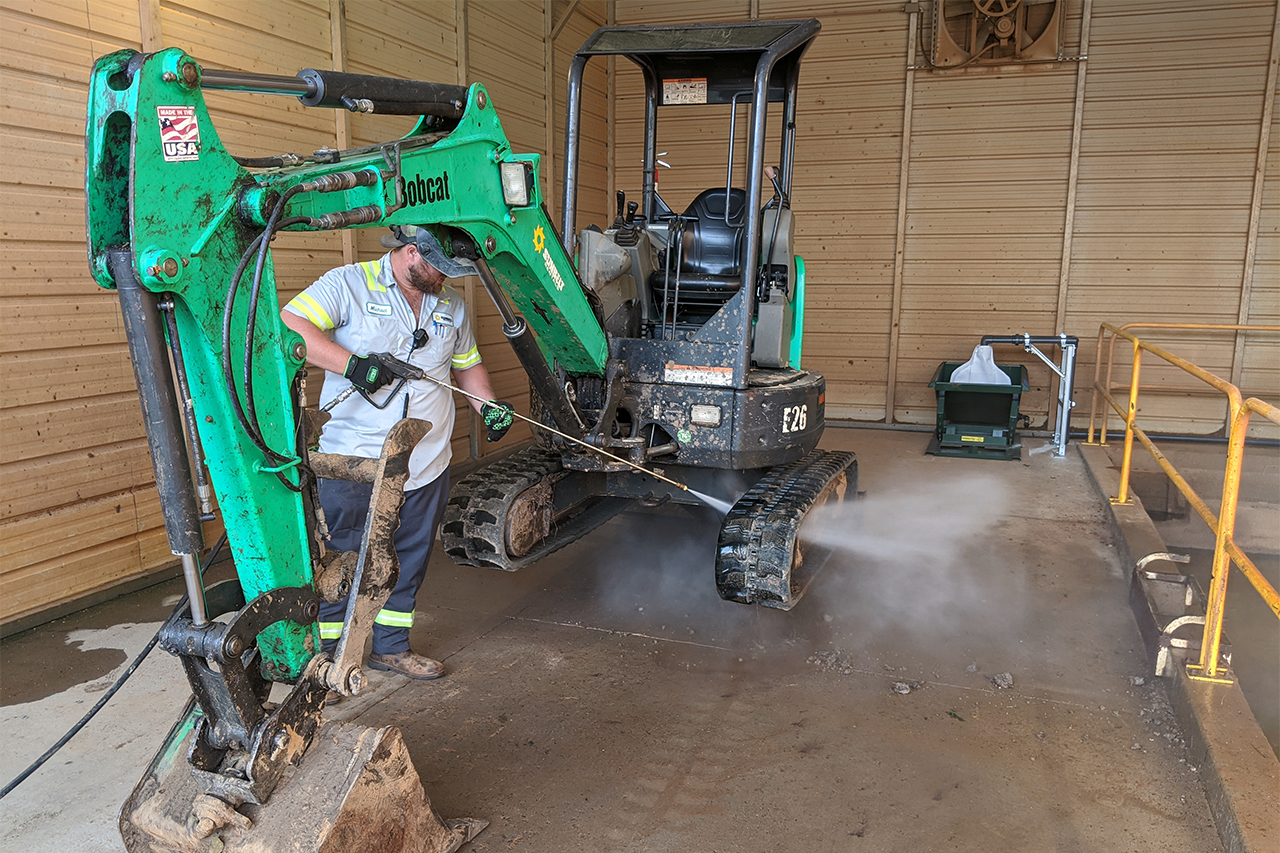
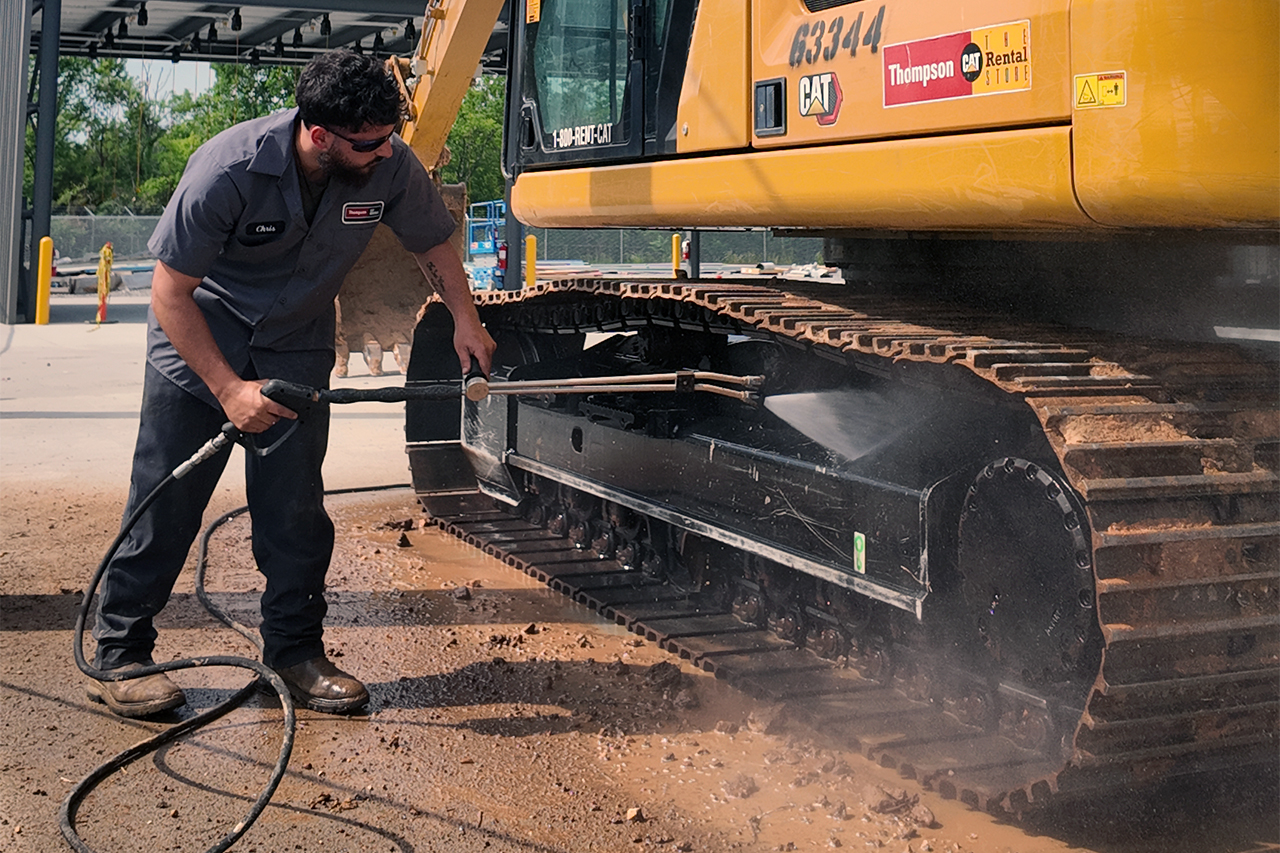
Rental fleets take a beating. Excavators, skid steers, trenchers, and compact track loaders come back from job sites covered in sludge and grime packed into the chassis and undercarriage — the kind a standard hose-down won’t remove. As rental demand grows and fleets turn faster, that means more dirty equipment cycling through the yard between rentals, and wash and rinse systems have to keep pace without slowing turnover. Riveer wash racks are built specifically for that kind of heavy, recurring soil load, with wash water containment engineered into the system from the start rather than added on afterward.
Because Riveer racks capture and contain wash water instead of letting it run off into the yard or a storm drain, rental operations can wash as much equipment as their schedule demands without creating a compliance headache. Filtration and treatment systems scale from compact, light-duty units to heavy-duty systems built for constant mud, so the wash rack grows with the fleet instead of becoming a bottleneck — whether that fleet is light equipment or heavy iron.
Equipment Rental Wash System Features
- Above-ground steel wash racks install without building permits
- Fits into existing rental yards and maintenance facilities with minimal site prep
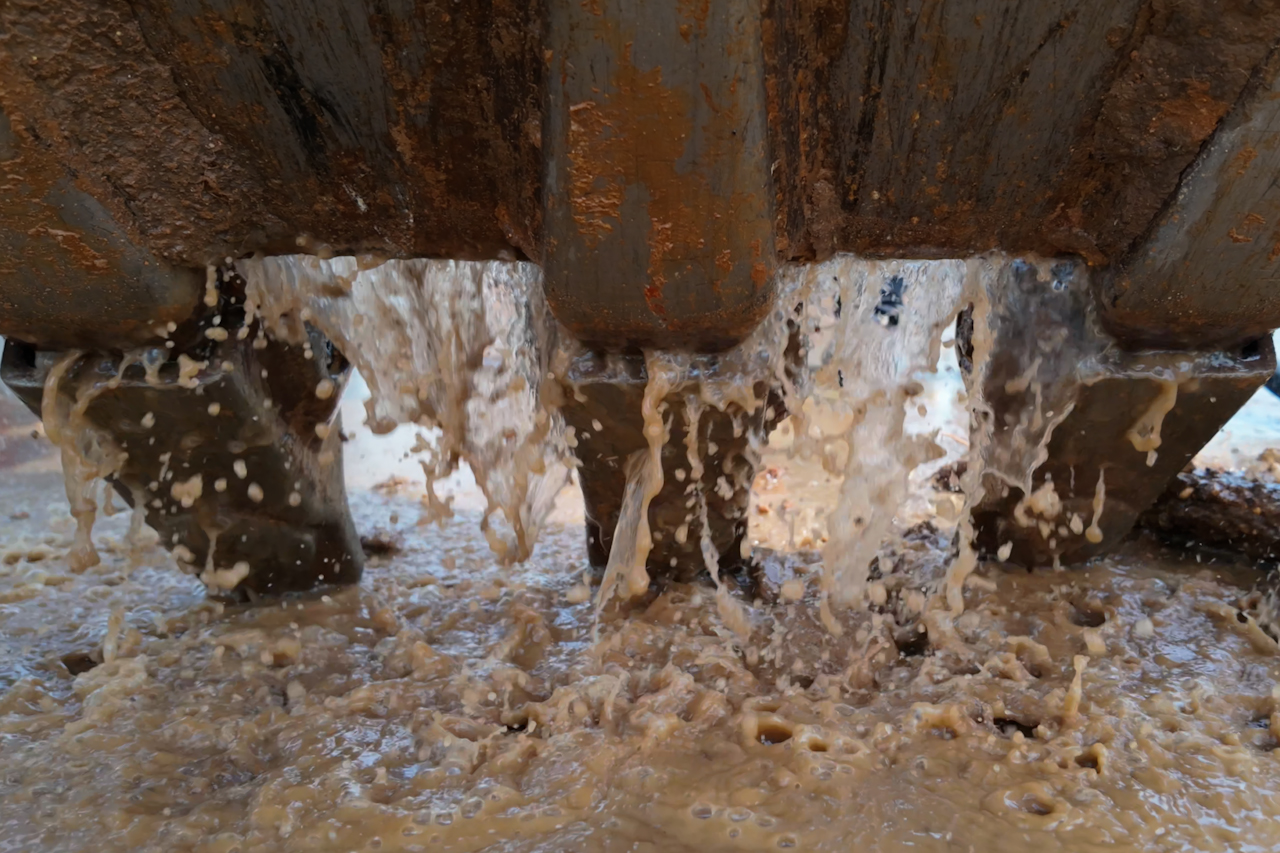
- Removes sludge and grime packed into chassis, undercarriages, and tracks
- Captures mud, dirt, and wash water to prevent yard runoff
- In-ground cement wash pad option for permanent facilities and larger fleets
- Pairs with Riveer water treatment systems to recycle wash water and cut costs
- Modular design scales from light-duty to heavy-duty mud loads as fleet size grows
- Reduces cleaning time between rentals to speed equipment turnover
- Protects equipment resale value with consistent, thorough cleaning
Mud Is Tough. Riveer Is Tougher.
“We first brought Riveer on board as a consultant for one project. Years later, we continue to trust their expertise for custom designs that address various pain points across industries. Riveer supports us every step of the way, from the initial design to installation, and partnering with them has allowed us to rapidly expand our operations while ensuring a high-quality end product for our customers.”
Tony Neuhoff, Thompson Machinery Commerce Corporation.
Related Capabilities
Equipment Washing
Wash Water Containment
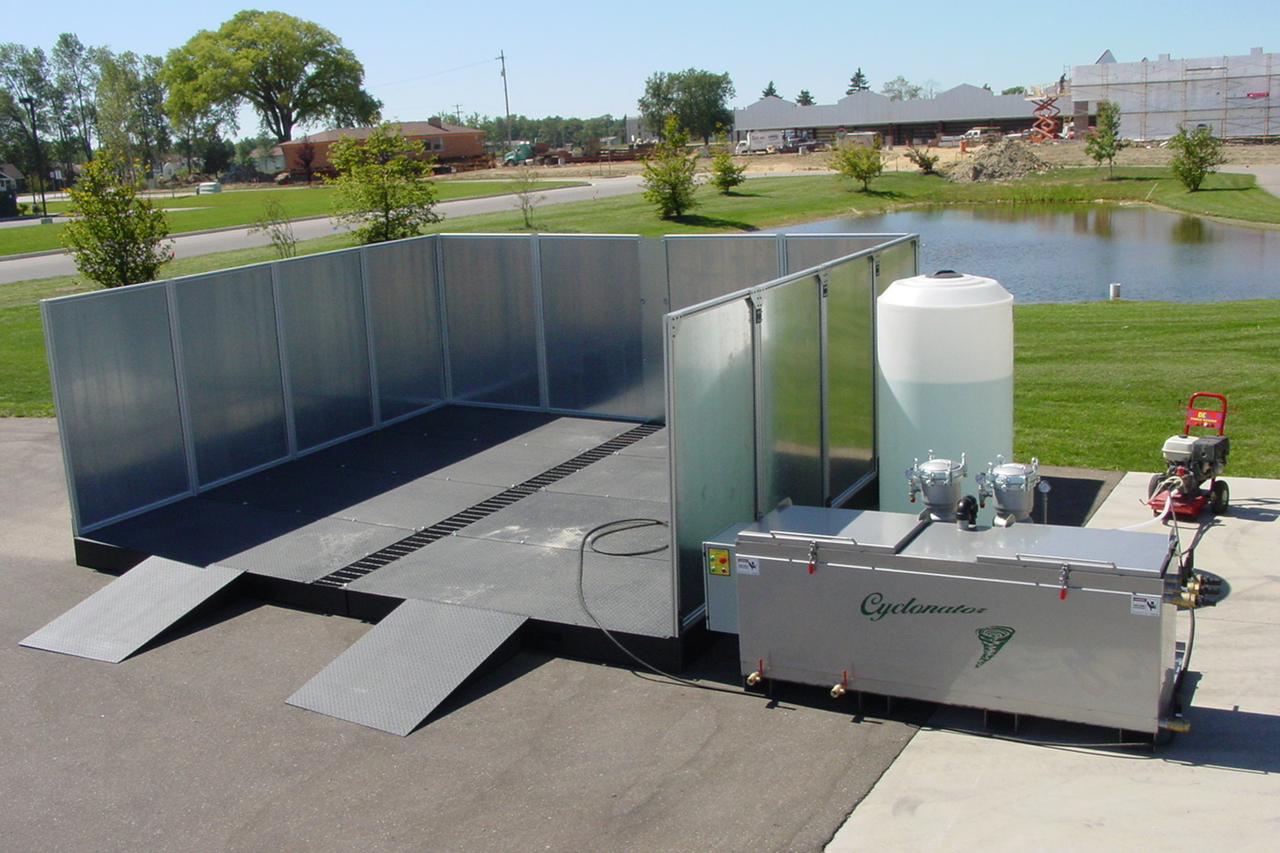
Wash Water Treatment & Filtration
Related Systems
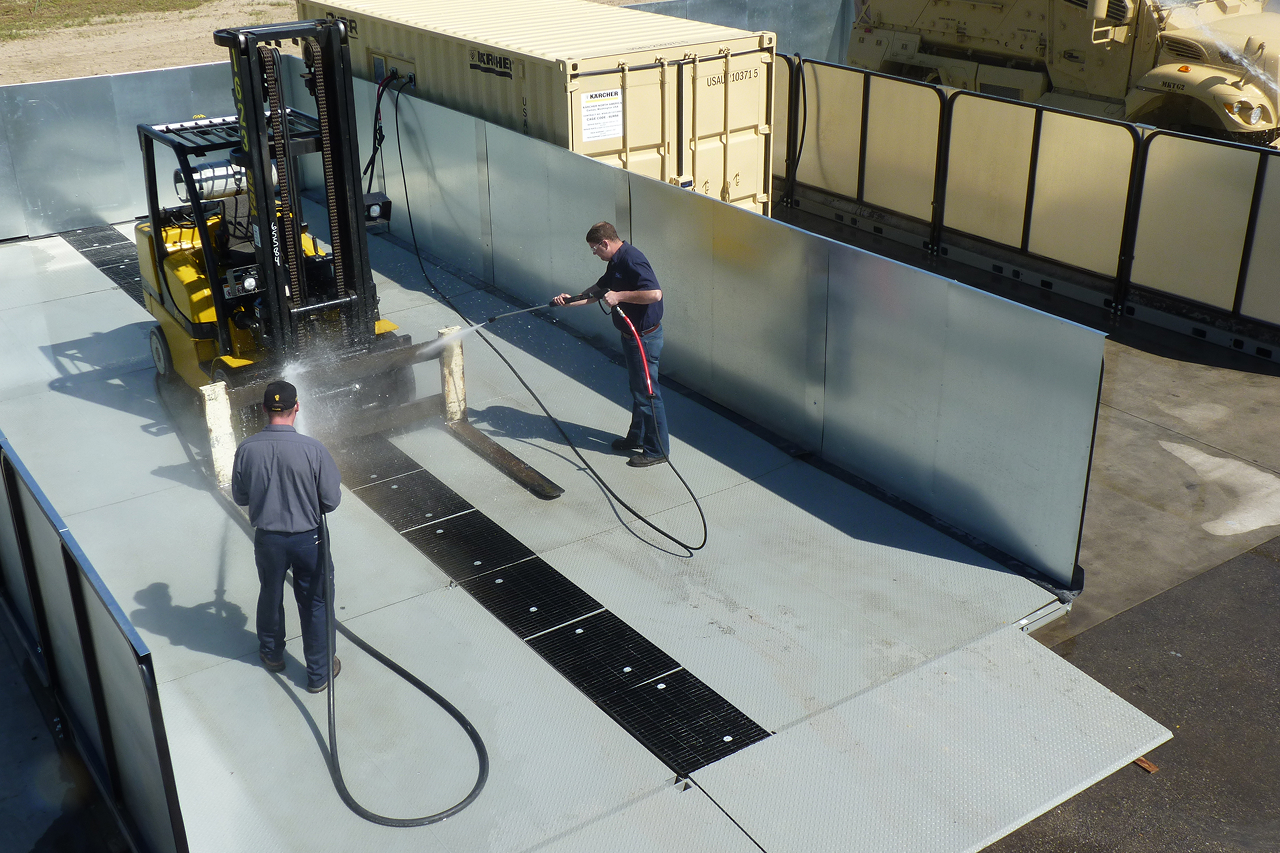
Above Ground Wash Rack
Modular, customizable steel racks supporting heavy equipment up to 80 tons, installed without permits

In-Ground Wash System
Concrete wash pad for permanent facilities and larger fleets
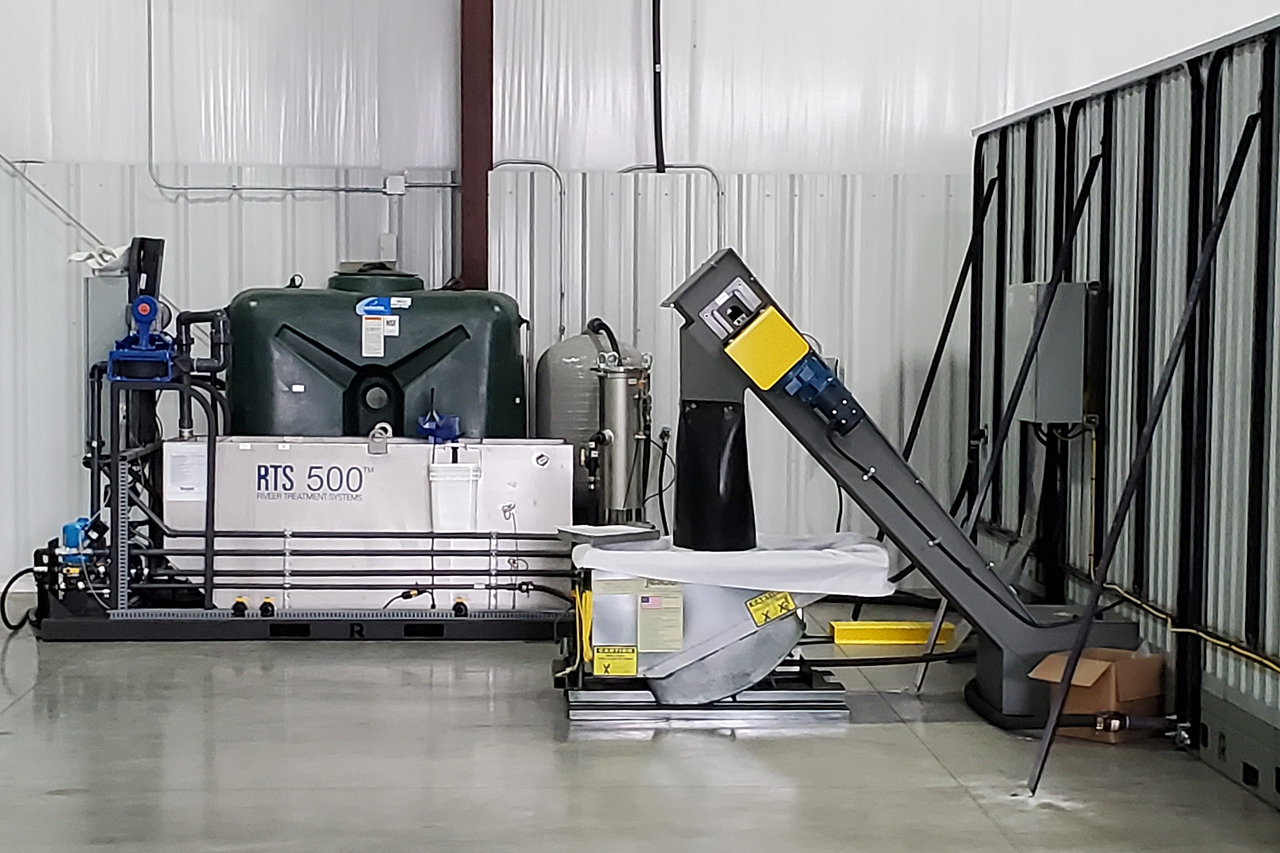
Standard Water Treatment System
Palletized wash water recycling system that builds directly into your wash rack to remove grease and dirt (RTS 500)
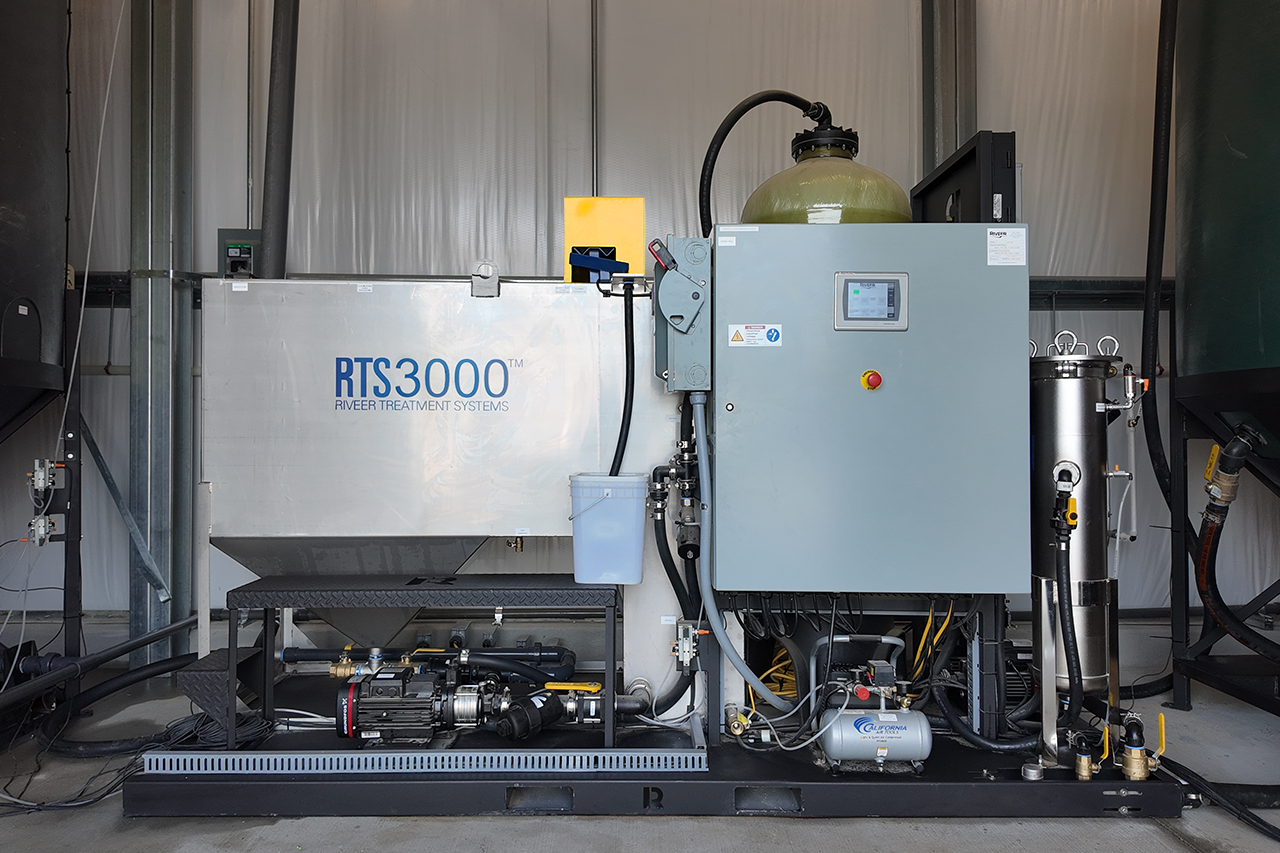
Intermediate Water Treatment System (RTS 3000)
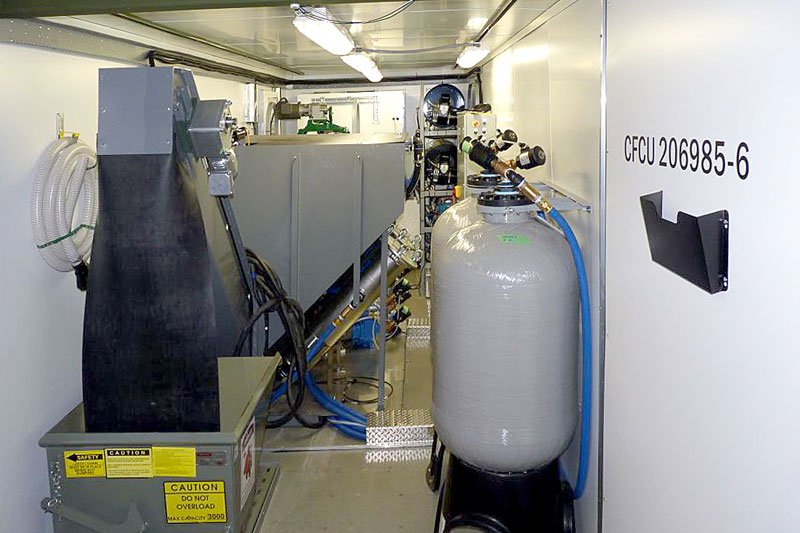
Heavy Duty Water Treatment System (RTS 5000)
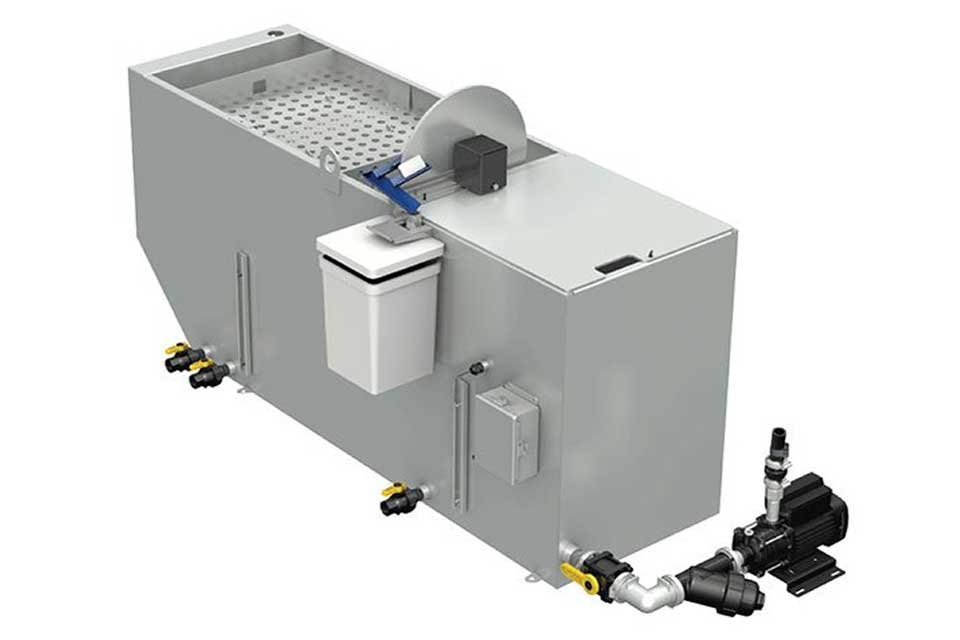
Oil Water Separators
Image Gallery



Aviation Washing & Rinse FAQs
Do I need a permit to install a wash rack at a rental yard?
Riveer’s Above Ground Wash Racks are designed to install quickly without building permits, making them a fast option for existing rental yards. In-ground cement wash pads, which are more common at permanent facilities, may require site permitting depending on your local authority.
How do wash racks speed up equipment turnover?
A dedicated wash rack captures mud and dirty water in one contained area instead of equipment being hosed down piecemeal around the yard. That means faster, more consistent cleaning between rentals, so equipment gets back into the rental pool sooner.
Can wash water be recycled at a rental yard?
Yes. Riveer wash racks can pair with water treatment systems that filter mud, oil, and solids out of wash water so it can be reused, cutting water costs and reducing discharge.
What's the difference between above-ground and in-ground wash racks?
Above-ground wash racks are steel platforms that install quickly without permits and suit yards that need a fast, movable solution. In-ground cement wash pads are built into permanent facilities and typically handle larger fleets and heavier mud volumes.
How does washing equipment between rentals protect resale value?
Mud, clay, and dirt left on equipment can accelerate wear on seals, undercarriages, and moving parts, and it makes equipment harder to inspect for damage between rentals. Consistent washing protects both the equipment’s condition and its resale value at the end of its rental life.
How much weight can an above-ground wash rack support?
Riveer’s Above Ground Wash Racks are modular steel systems that can be customized to support heavy equipment up to 80 tons, making them suitable for everything from compact skid steers to full-size excavators.
What happens to the sludge and grime removed during washing?
Riveer’s water treatment systems separate solids, oil, and grease from the wash water as it’s captured. Systems like the RTS 500 build directly into the wash rack to filter that debris out, so clean water can be reused and collected solids can be disposed of separately.
Get Started With a solution
Speed up your equipment turnover with the right wash system. Share your yard specifications and we’ll reach out to discuss a solution that fits your operation.