
Maritime Water Systems
Keep waterways clean and protect fragile ecosystems
Vessels moving between waterways can carry invasive species, fuel residue, and other contaminants from one body of water to the next. Riveer’s water systems capture and treat wash water at ports and marinas, helping maritime operations meet strict discharge regulations while preventing the spread of invasive species between waterways.
Steel wash racks install quickly without building permits, and treatment systems remove oil and biological contaminants before discharge. This protects marine ecosystems, keeps facilities in regulatory compliance, and cuts water costs by allowing wash water to be reused instead of discharged.
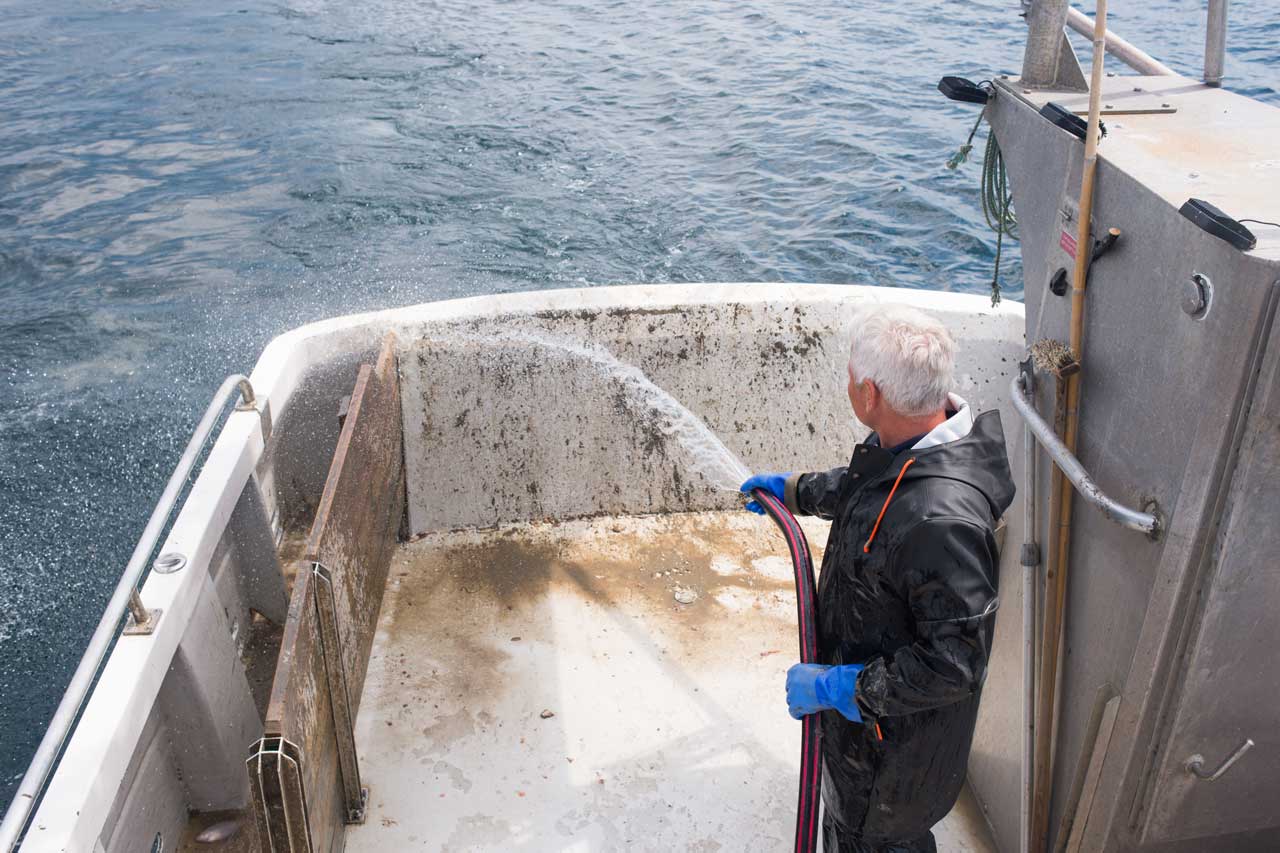
USDA-Compliant Invasive Species Prevention
Contaminated hulls and equipment can carry invasive species that threaten fragile marine and freshwater ecosystems. Riveer’s invasive species control systems combine hot water with high pressure to eliminate that threat, providing rapid, complete cleaning and rinsing for vessels and equipment moving between waterways.
Each system is custom-configured for its site, with ramp-based designs that allow easy watercraft positioning and access at boat launches, marinas, and equipment facilities. Built-in water reclamation captures wash water for treatment and reuse, keeping the system USDA-compliant while meeting environmental and regulatory standards.
Where Maritime Wash Systems are Used
- Boat launches — ramp-based decontamination as vessels enter or exit the water
- Marinas — routine hull washing and invasive species prevention for docked vessels
- Shipyards and ports — larger-scale wash and water treatment for commercial vessel traffic
- Equipment facilities — washing for maritime support equipment alongside vessels
Maritime Wash System Features:
- Hot water combined with high pressure for rapid, complete invasive species elimination
- Ramp-based design for easy watercraft positioning at boat launches and marinas
- USDA-compliant systems meet environmental and regulatory standards
- Water reclamation captures and treats wash water for reuse or safe discharge
- Above-ground steel wash racks install without building permits
- Treatment systems remove oil and biological contaminants before discharge
- Custom-configured for ports, marinas, shipyards, and equipment facilities
Related Capabilities
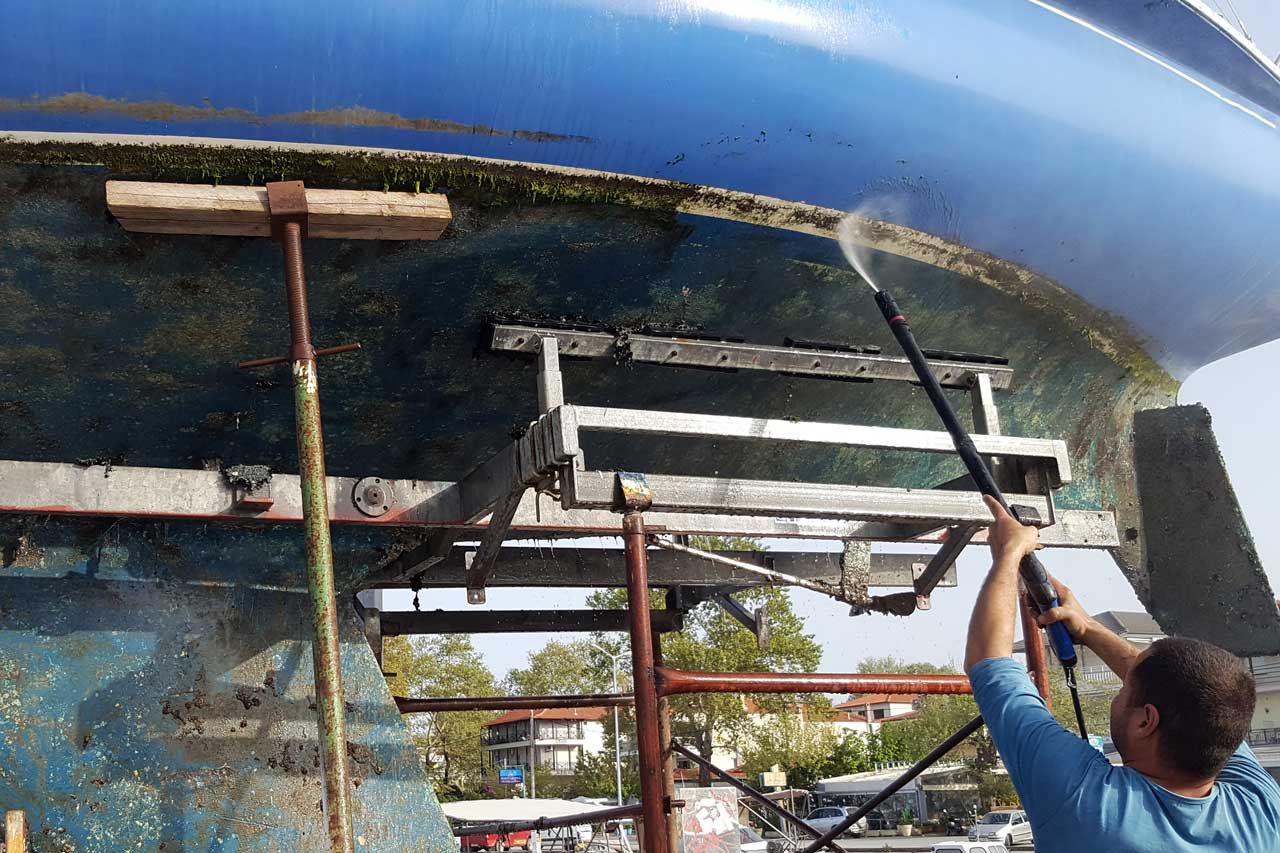
Invasive Species Control
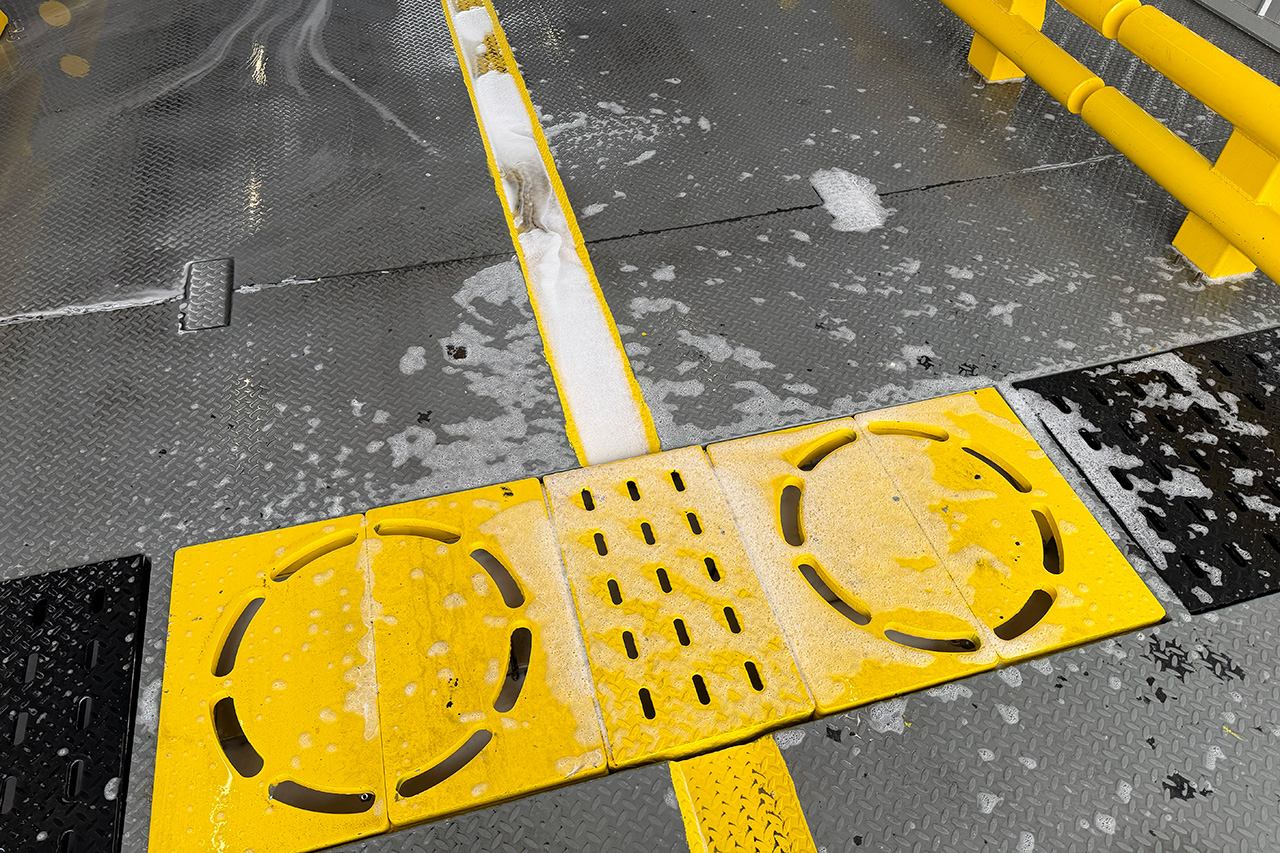
Wash Water Containment
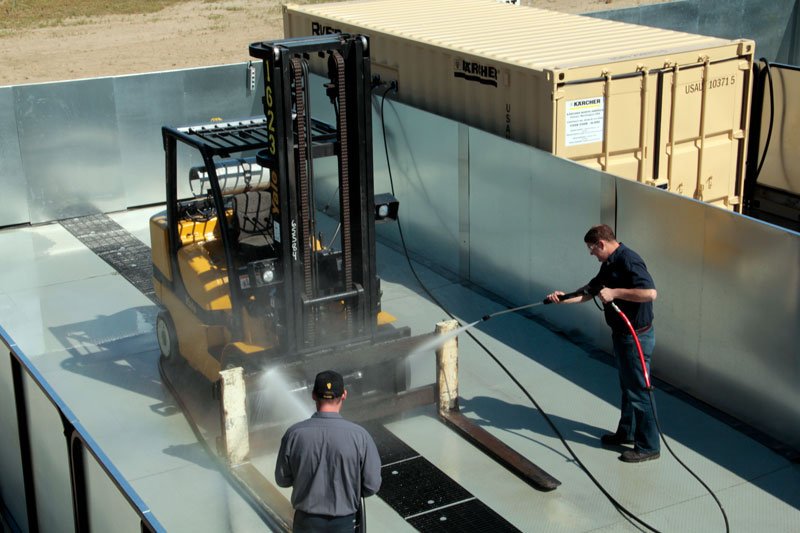
Equipment Washing
Related Systems
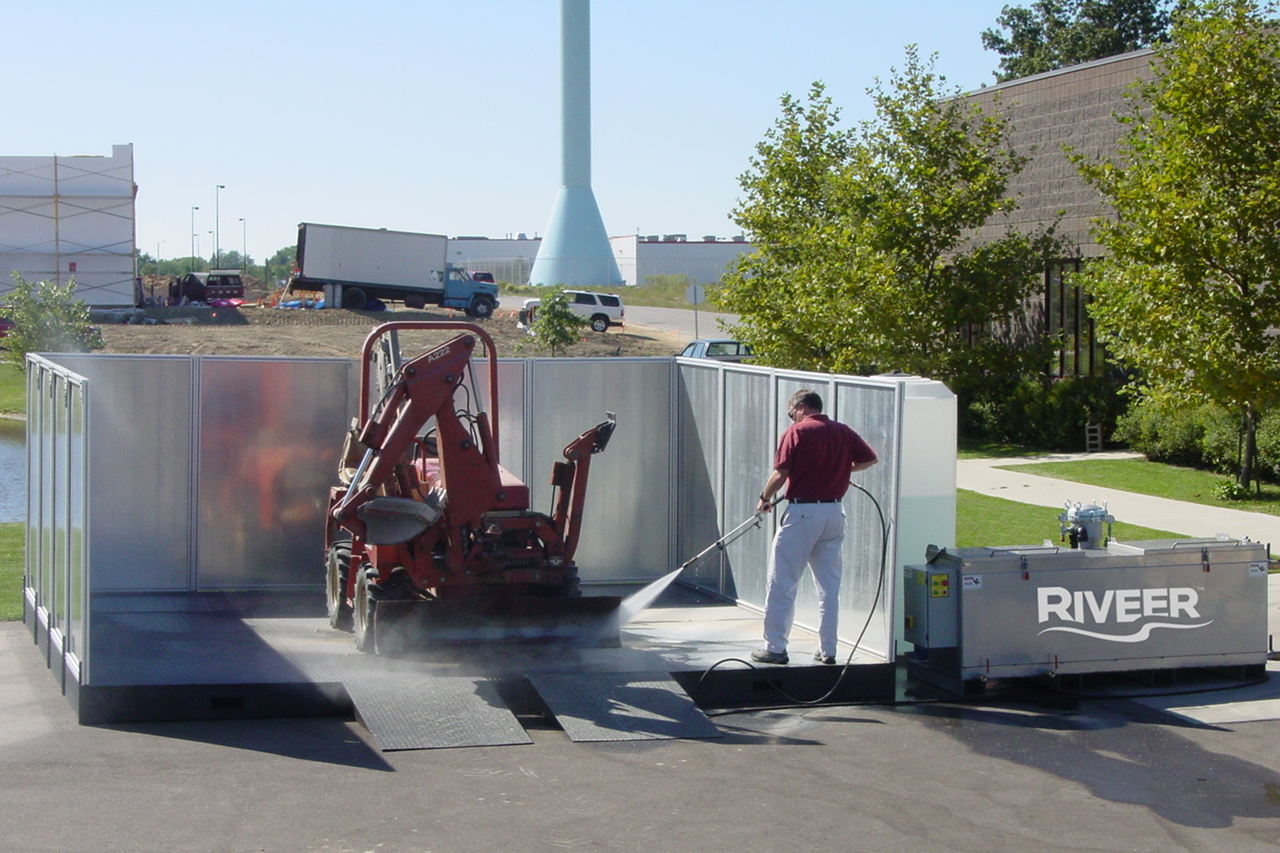
Above Ground Wash Rack
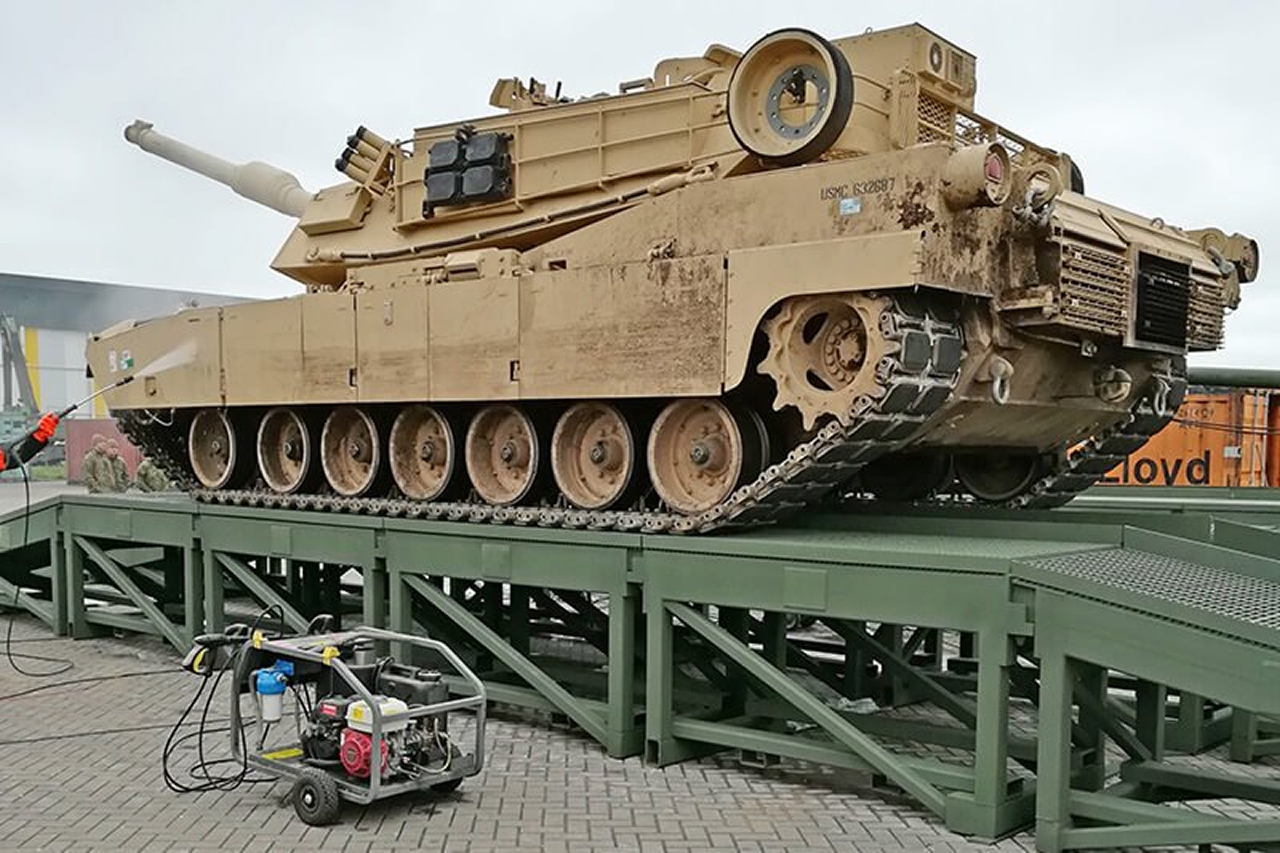
Heavy Duty Inspection Ramps
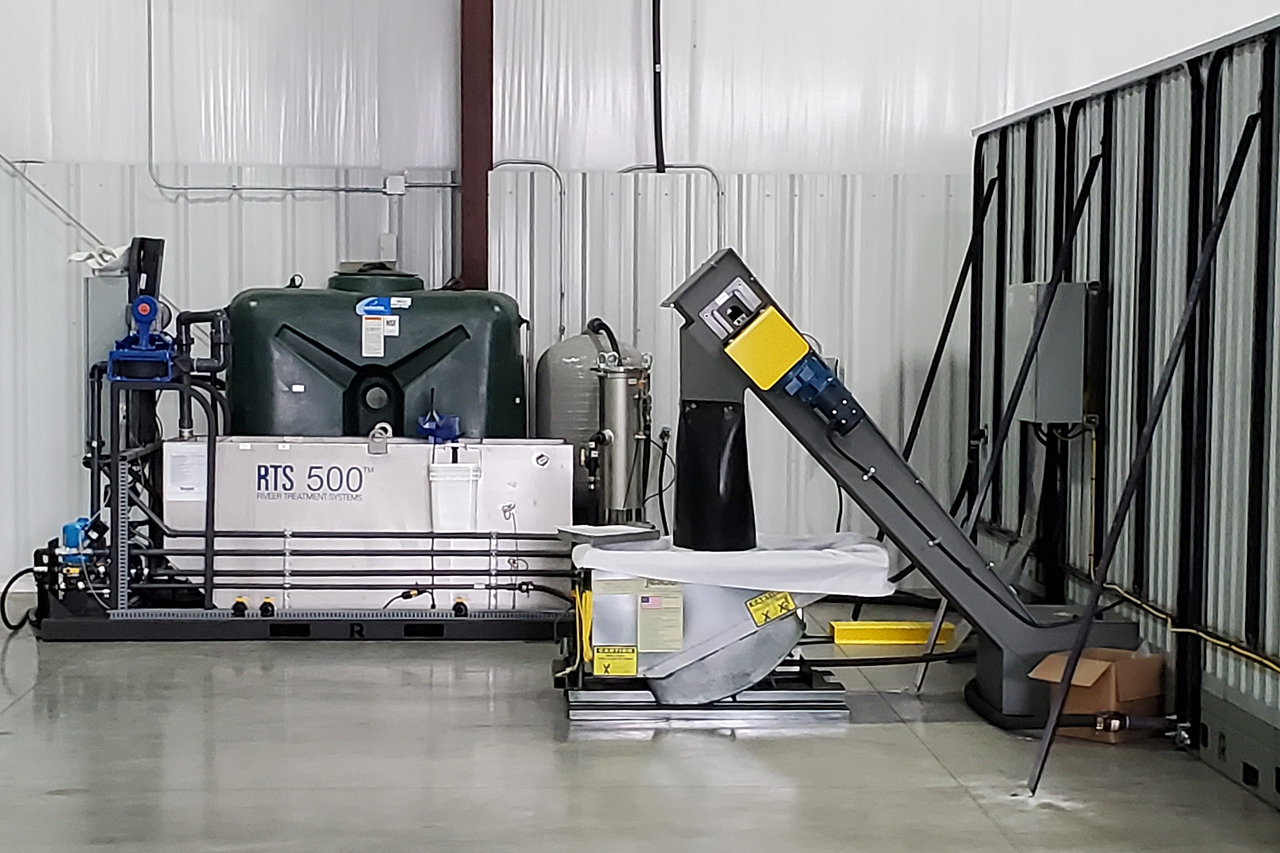
Standard Water Treatment System (RTS 500)
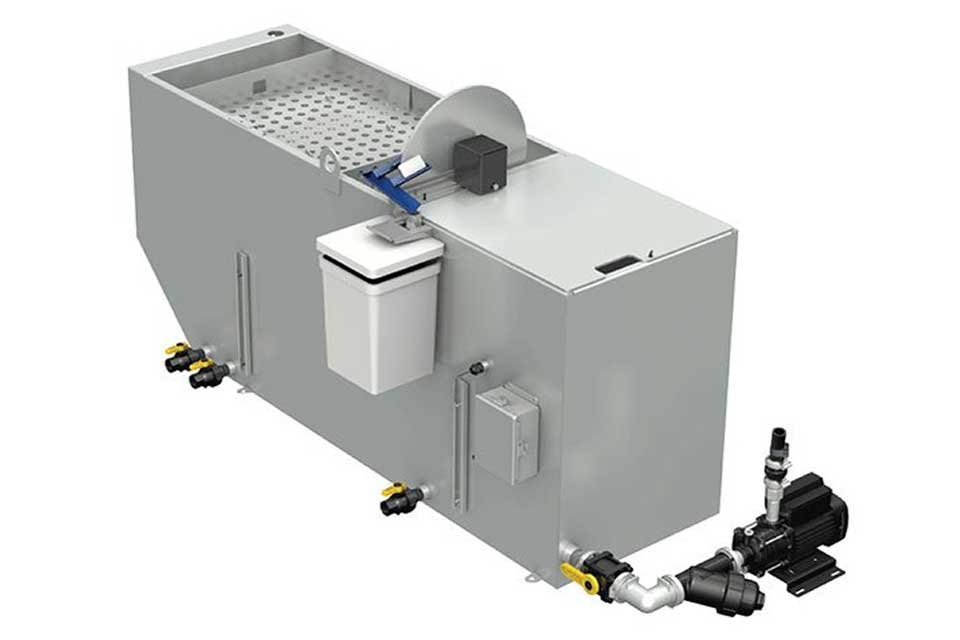
Oil Water Separators
Maritime Water Systems FAQs
How do maritime wash systems prevent the spread of invasive species?
Riveer’s invasive species control systems use hot water combined with high pressure to eliminate contaminants from hulls and equipment before a vessel moves to another waterway. Built-in water reclamation keeps the process USDA-compliant.
Do I need a permit to install a wash rack at a marina or port?
Riveer’s Above Ground Wash Racks are modular steel systems designed to install quickly without building permits, making them a practical option for marinas and port facilities.
What happens to wash water from boat and vessel cleaning?
Wash water is captured and passed through treatment systems like the Standard Water Treatment System (RTS 500) and Oil Water Separators, which remove oil and biological contaminants before the water is reused or discharged in compliance with regulations.
Can inspection ramps handle heavy marine equipment?
Yes. Riveer’s Heavy Duty Inspection Ramps are a modular system that assembles without tools and supports equipment up to 80 tons.
Get Started With a Solution
Keep your vessels clean and compliant. Share your facility specifications and we’ll reach out to discuss the best wash system for your maritime operations.