
Aviation Washing & Rinse Systems
Easily prevent corrosion and remove contaminants
Corrosion is one of the leading causes of equipment failure in military and commercial aviation, and the U.S. Air Force alone spends upwards of $2 billion a year fighting it, according to the Air Force Corrosion Prevention and Control Office. Aircraft operating near saltwater, in coastal climates, or in sandy environments face constant exposure to the salt, sand, and airborne contaminants that drive corrosion and shorten the service life of airframes and coatings.
Consistent clear water rinsing after a mission is one of the most effective ways to remove those contaminants before they take hold. Riveer’s automated and semi-automated rinse systems use low-pressure, high-volume spray patterns engineered for flight line, hangar, and taxiway operations on fixed-wing and rotary aircraft of virtually any configuration, from fighter jets and cargo planes to helicopters and commercial airliners. Ground support equipment (GSE) can be washed alongside aircraft, so an entire flight line stays mission-ready from the same water source.
Whether you operate a single hangar or a full flight line, Riveer engineers a wash and rinse solution that fits your throughput, your climate, and your maintenance schedule, helping crews protect aircraft, cut corrosion-related maintenance costs, and maintain operational readiness.
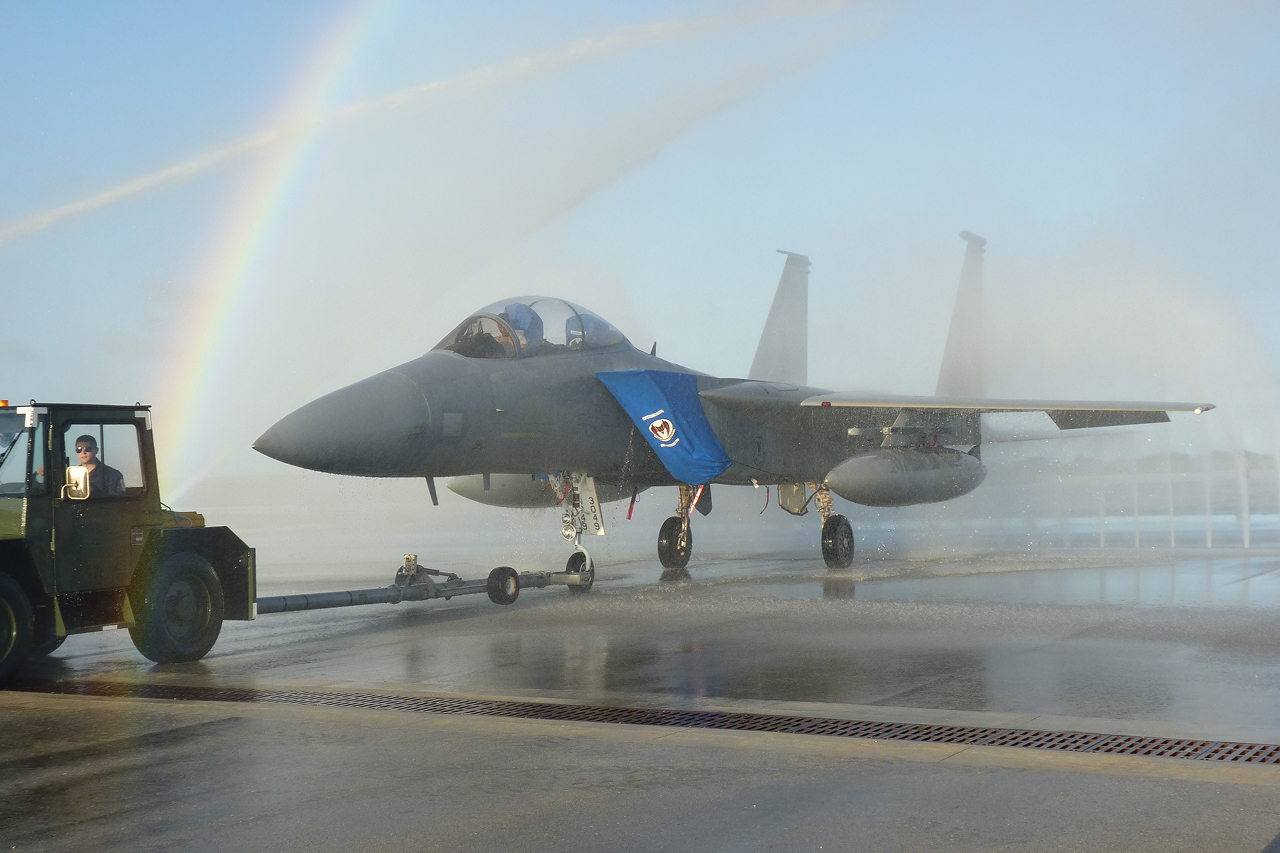
Built for NAVAIR-Compliant corrosion control
Military and commercial operators can’t treat aircraft washing like a standard vehicle wash. Riveer designs every aviation system around recognized cleaning and corrosion-control standards, including the NAVAIR Aircraft Cleaning and Corrosion Control Technical Manual, covering daily cleaning, freshwater rinsing, and wash rack wastewater treatment and disposal. That means the same system that keeps aircraft rinse-ready also keeps your base or hangar in environmental compliance.
Systems range from trailer-based mobile rinse carts that follow the aircraft to permanently installed, taxiway-mounted rinse stations that aircraft taxi through on the way to parking. The BirdBath Clear Water Rinse System (CWRS), for example, rinses even the largest aircraft in a taxi-through process that takes less than two minutes, while the Aircraft Rinse Cart (ARC) is built to meet the rinsing and pressure guidelines in TM 1-1500-344-23-2 for crews that need a mobile, on-demand solution. Every configuration can be built with water recovery and recycling, so bases in water-restricted regions or with strict discharge requirements aren’t limited by water availability.
Aviation Wash & Rinse Capabilities
- Low-pressure, high-volume clear water rinsing engineered for airframe and coating safety
- Fixed-wing, rotary, and ground support equipment (GSE) compatibility
- Taxi-through rinsing in under 2 minutes, even for large aircraft
- Trailer-based mobile systems for flexible flight line deployment
- Permanently installed taxiway and hangar rinse stations for high-tempo operations
- Design specifications aligned to NAVAIR cleaning and corrosion-control standards, including TM 1-1500-344-23-2
- Optional closed-loop water recovery and recycling for compliance and cost savings
- Manual, automated, or hybrid operation to match crew size and throughput needs
- Corrosion prevention for salt, sand, and de-icing fluid exposure
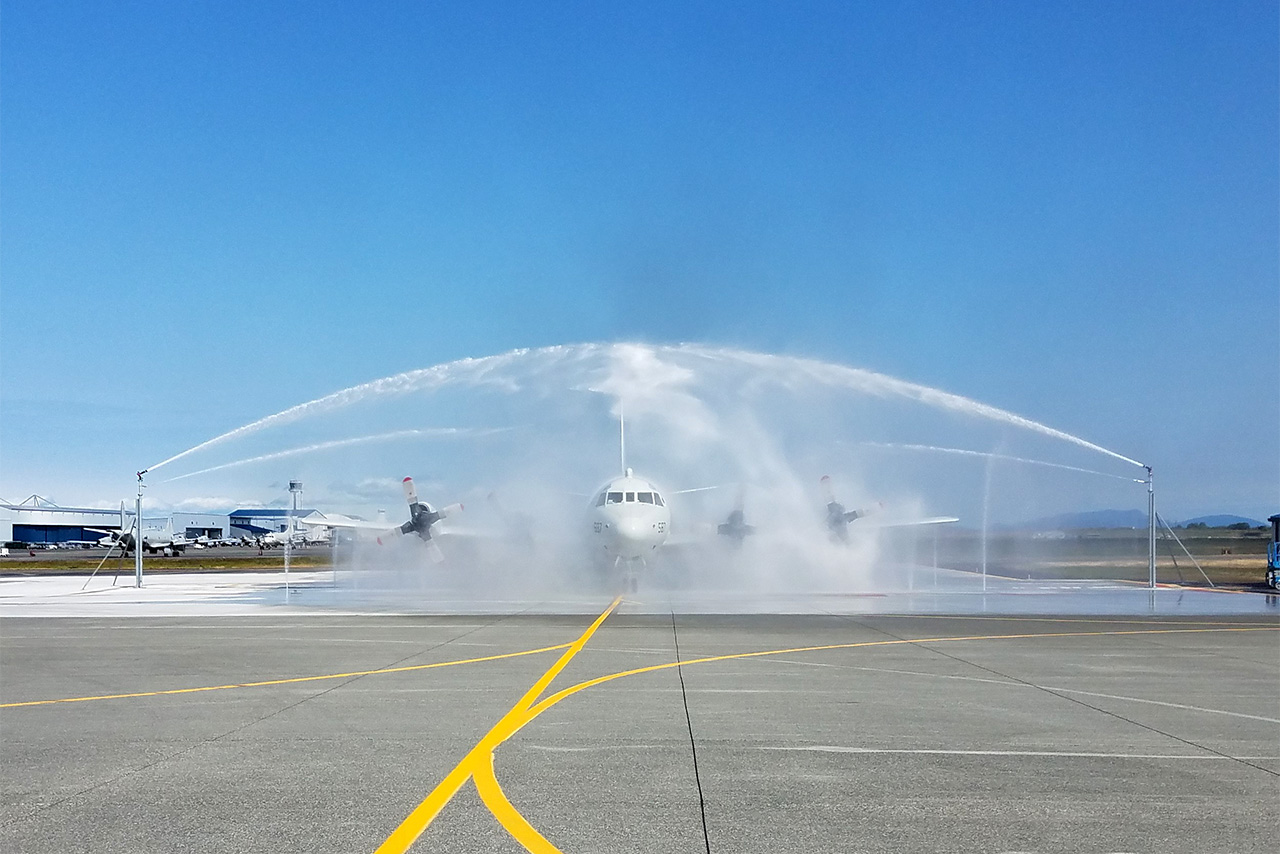
Purpose-Built for Every Aircraft Platform
Riveer has engineered wash and rinse solutions for platforms across every branch of the U.S. military and commercial aviation, including:
- Rotary-wing platforms: CH-47, UH-60, AH-64, MH-47, MH-60, CH-53, Fire Scout
- Fixed-wing, tactical, and cargo aircraft: A-10, C-130, MV-22, B-1, B-52, F-15
- Maritime patrol and rescue aircraft: P-8, HH-60
- Commercial passenger and cargo fleets
Where Aviation Wash & Rinse Systems are Used
- Flight line rinse stations — fast turnaround rinsing between sorties
- In-hangar wash bays — controlled cleaning for scheduled maintenance, including zero-emissions systems safe for indoor use
- Taxiway-installed rinse systems — hands-free rinsing as aircraft return to parking
- Ground support equipment (GSE) washing — protect the support fleet alongside the aircraft it services
- Depot and MRO facilities — customizable above-ground wash racks for scheduled maintenance, repair, and overhaul work
Because every airframe has different rinse pressure, access, and corrosion-control requirements, Riveer engineers each system to the platform, the mission tempo, and the base or facility it will operate in — rather than offering a single one-size-fits-all wash rack.
Related Capabilities
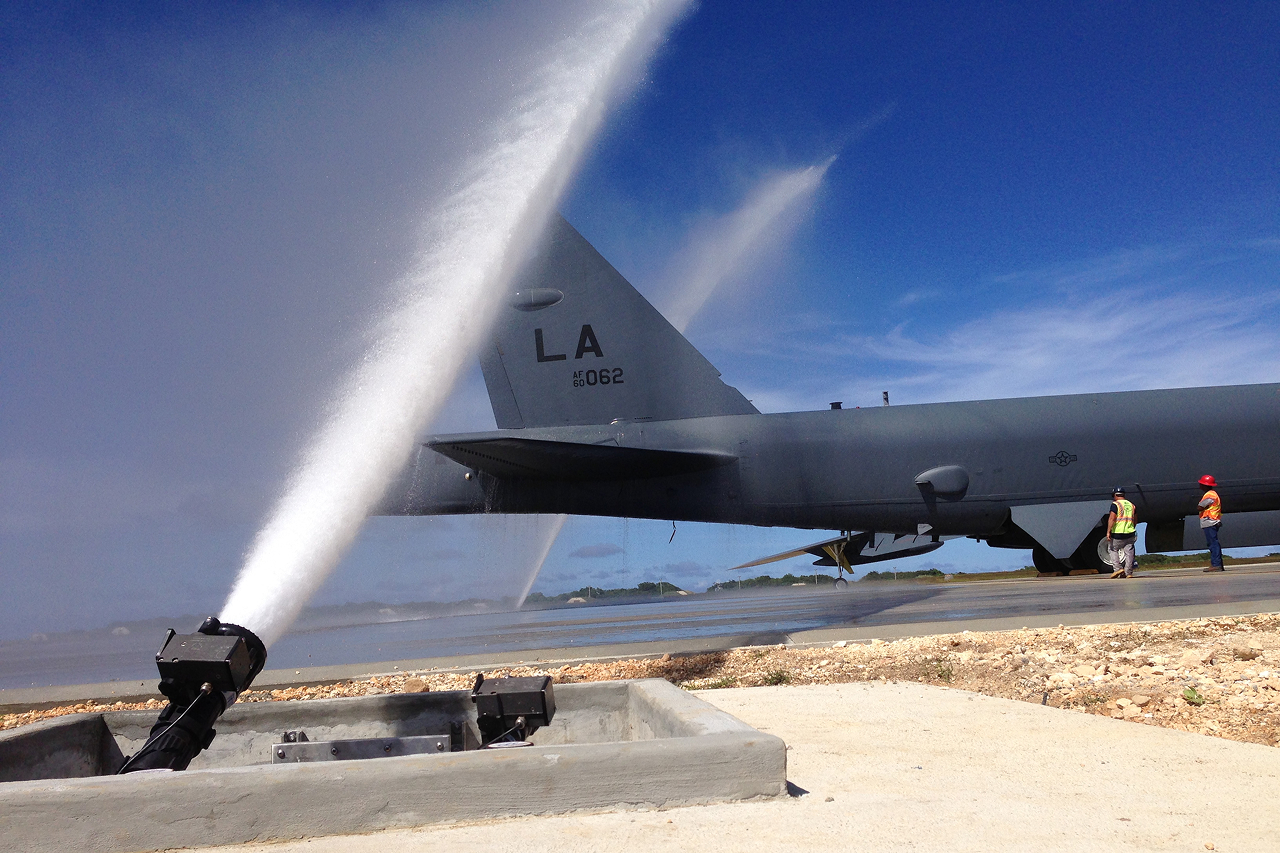
Aircraft Wash & Rinse
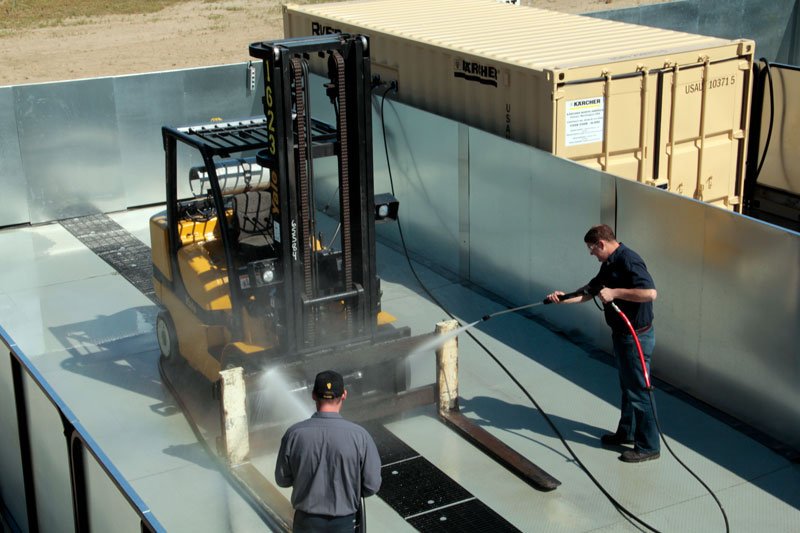
Equipment Washing
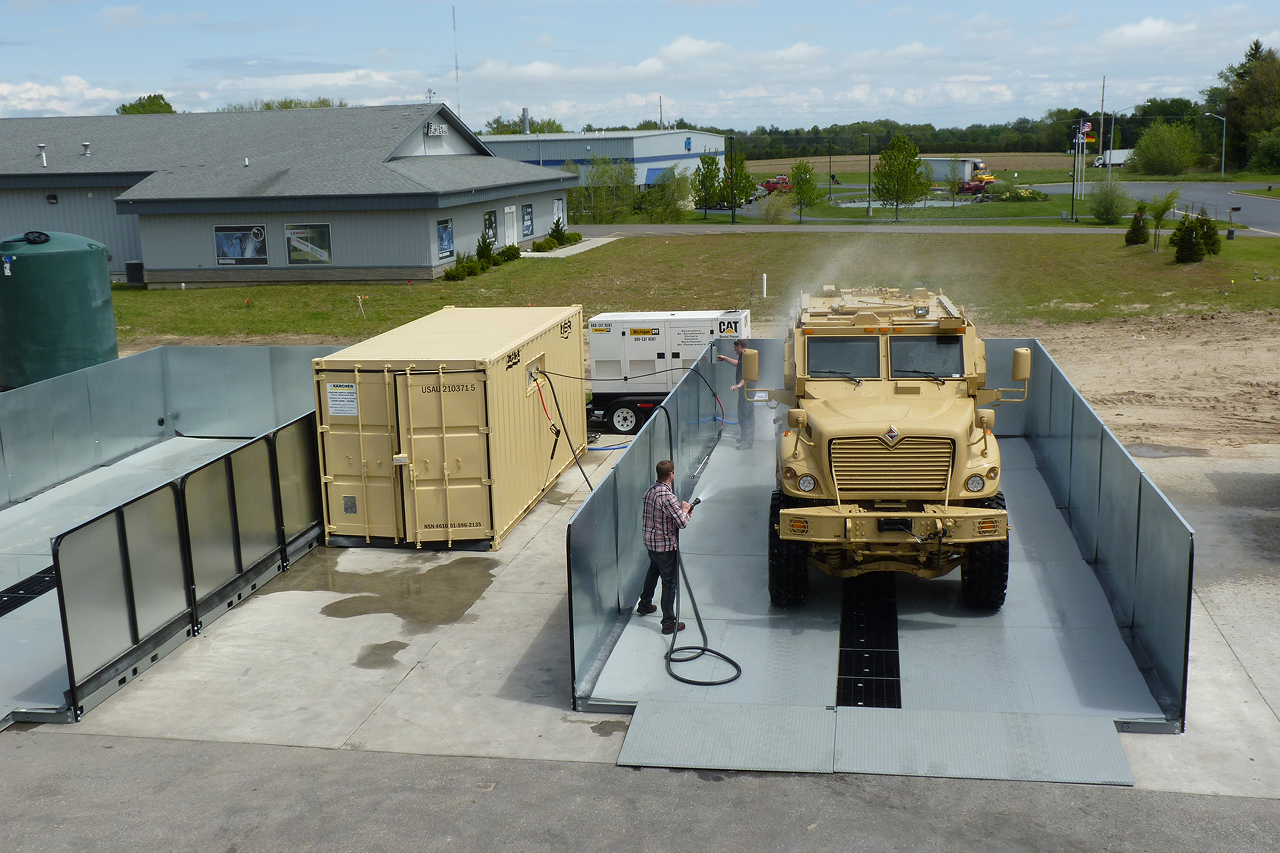
Decontamination
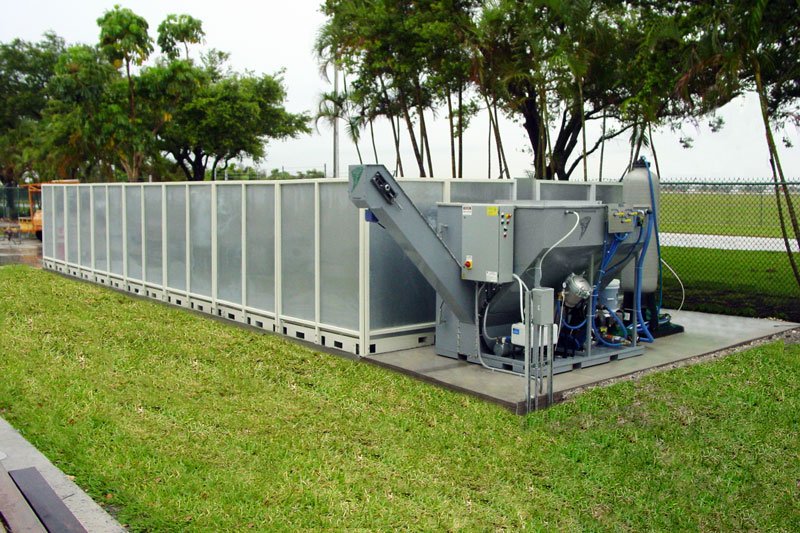
Wash Water Filtration & Treatment
Related Systems
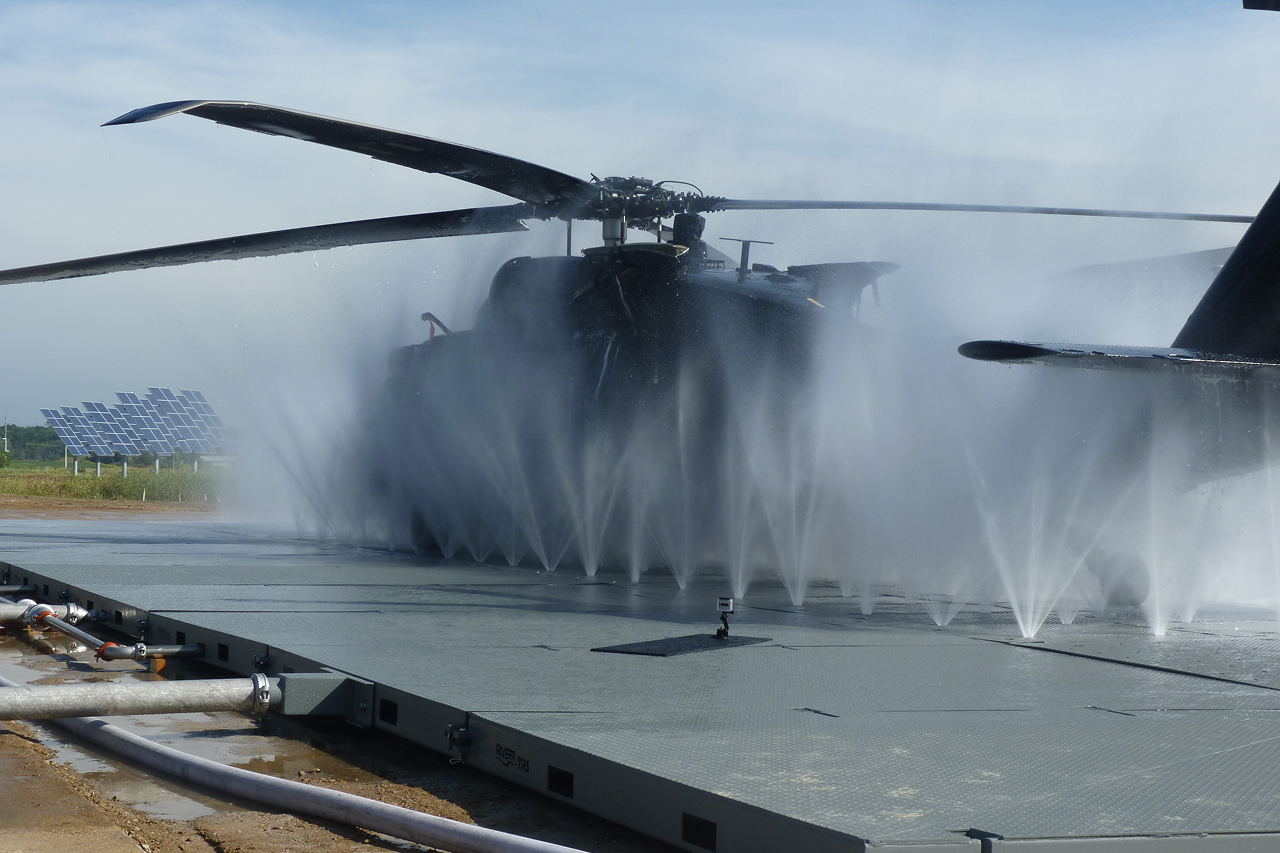
Tactical Rinse System (TRS)
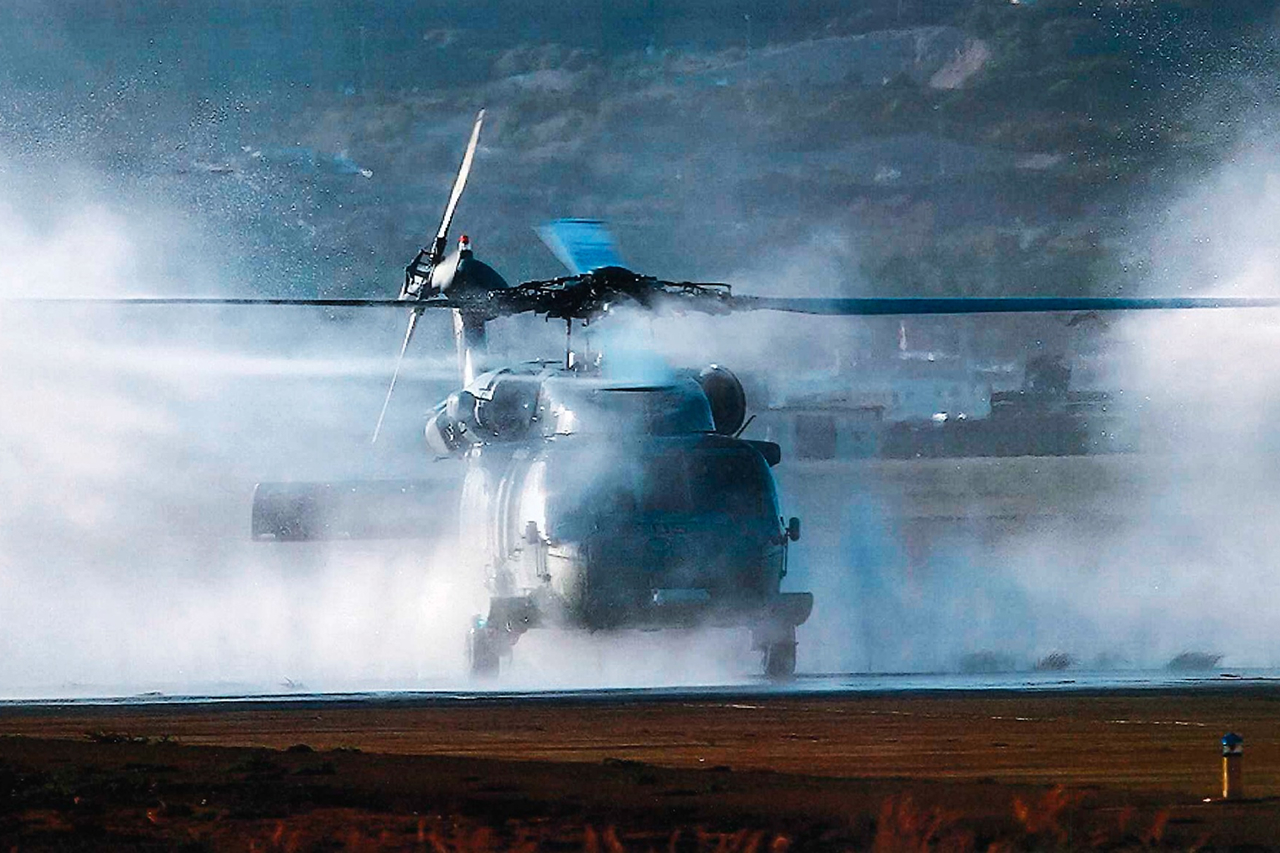
BirdBath Clear Water Rinse (CWRS)
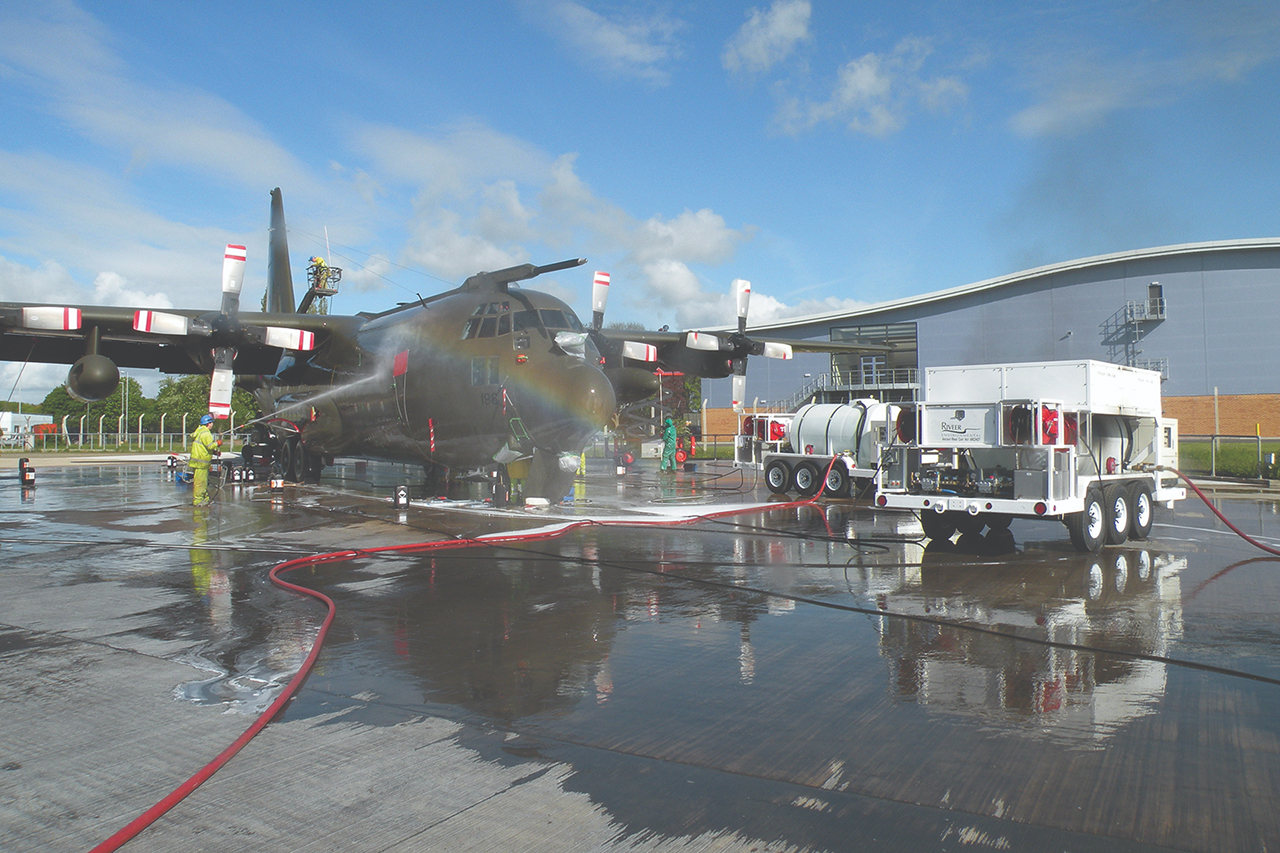
Aircraft Rinse Cart (ARC)
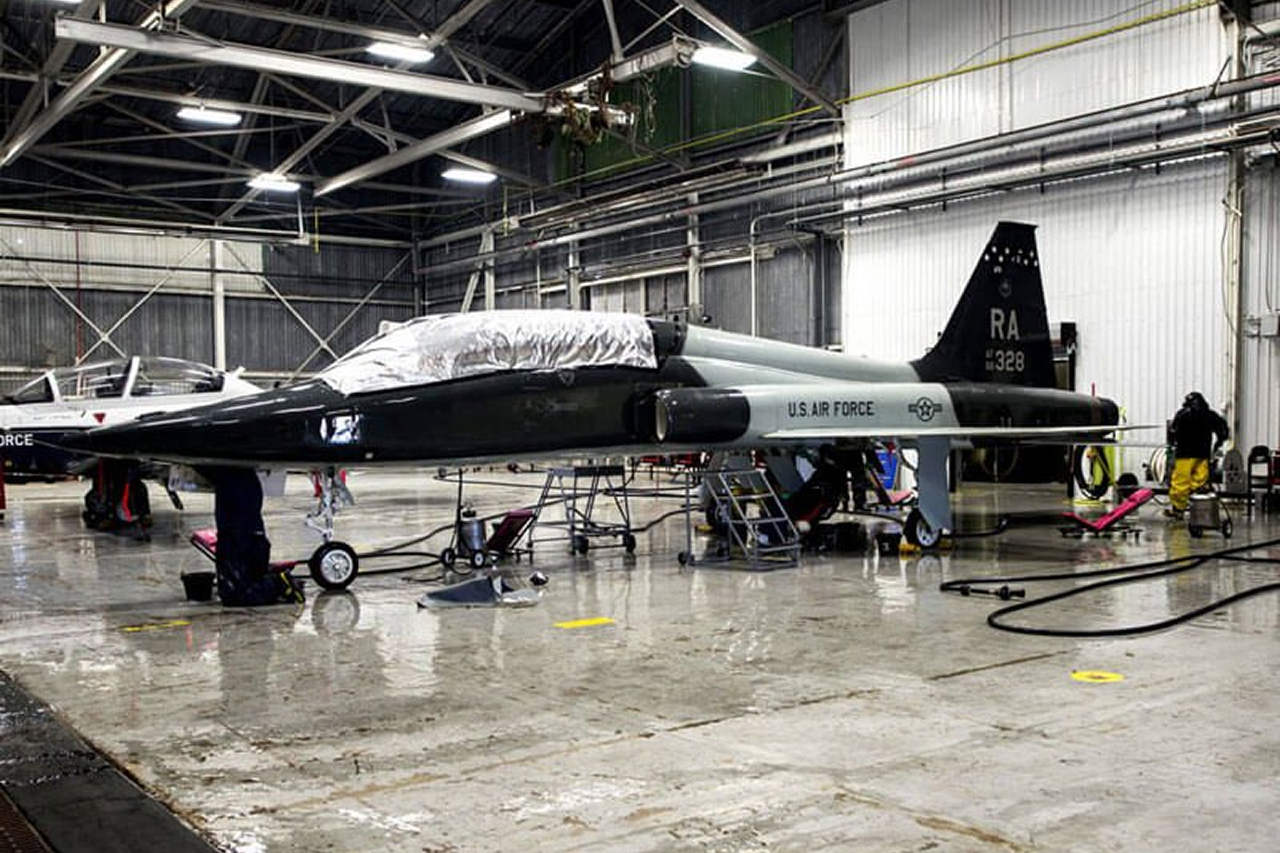
In-Hangar Aircraft Washing (Wingman)
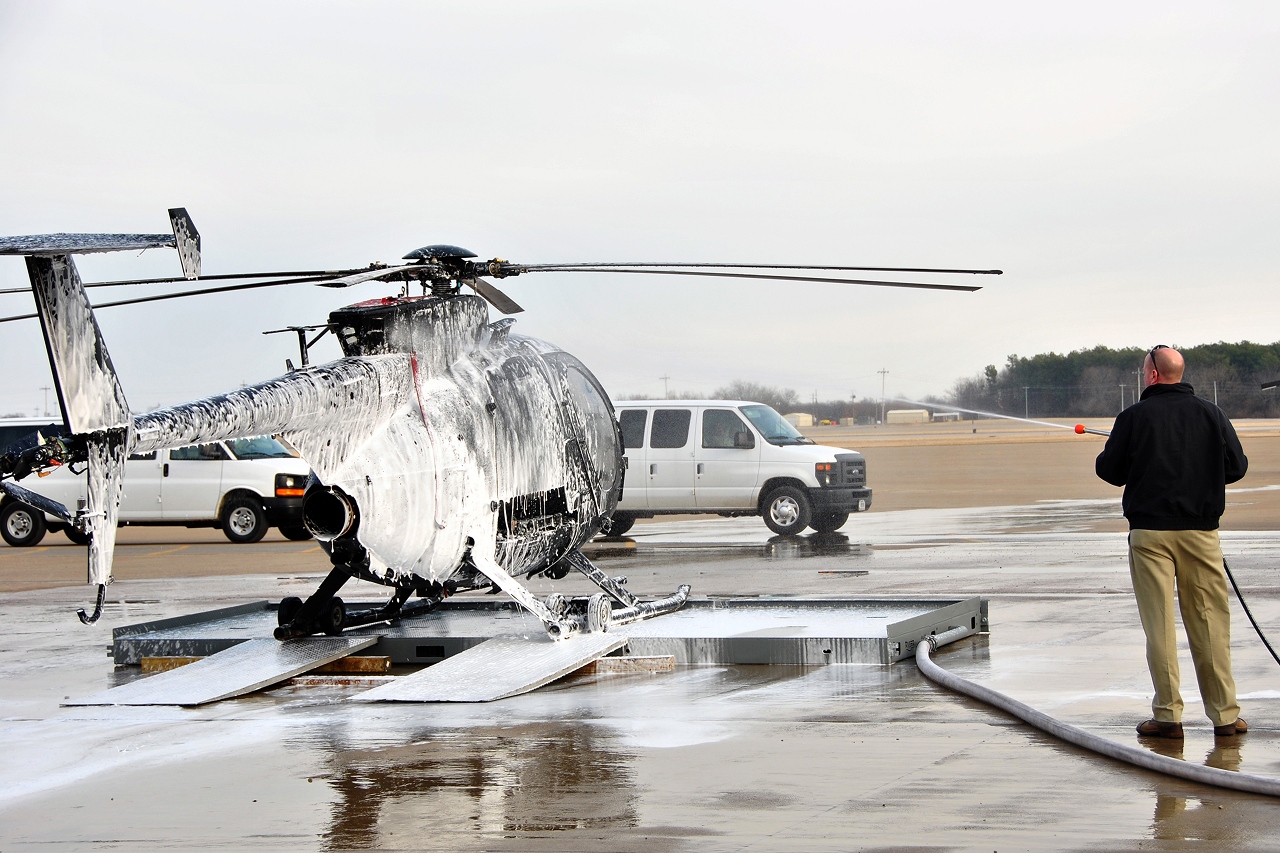
Total Aircraft Washing System (TAWS)
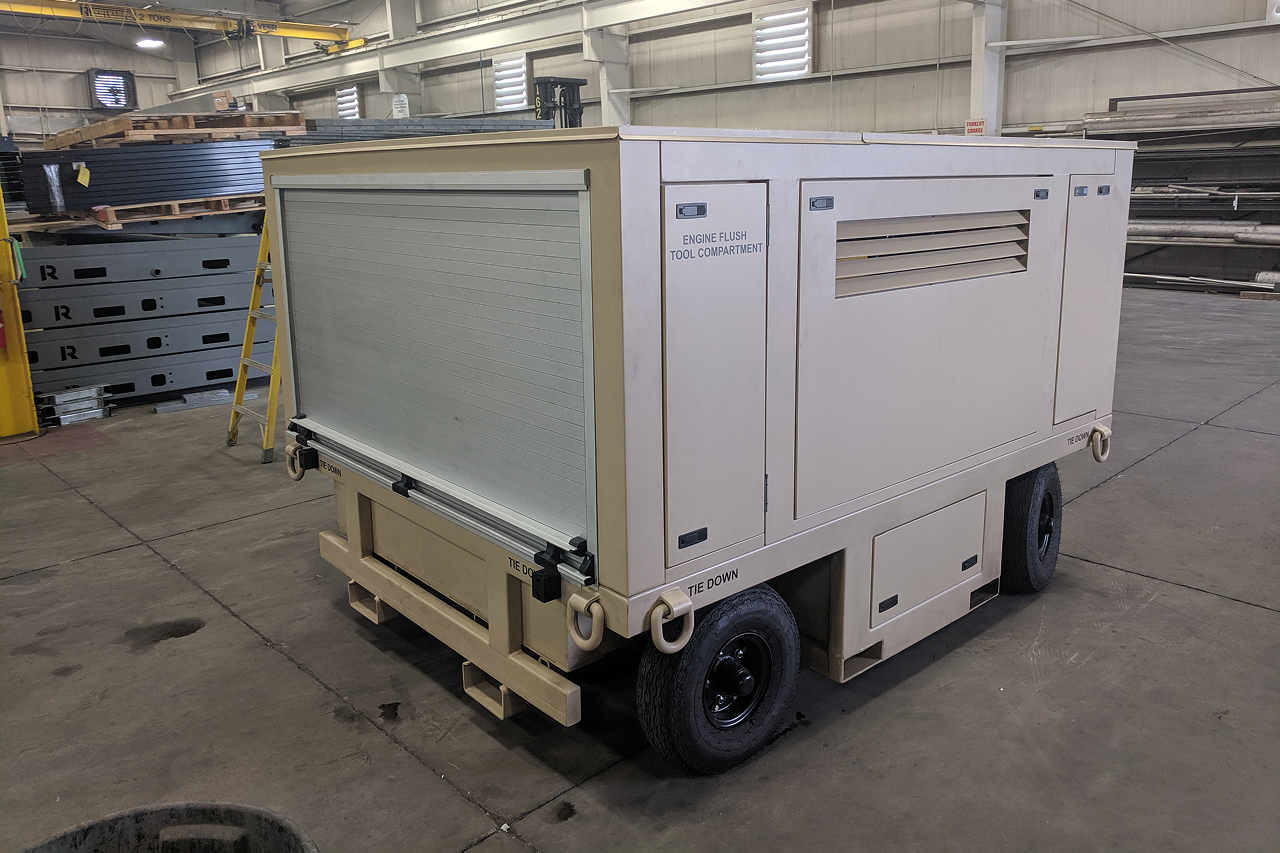
Aircraft Cleaning & Deicing System (ACDS)
Aviation Washing & Rinse FAQs
How often should aircraft be rinsed to prevent corrosion?
Rinse frequency depends on operating environment. Aircraft based near saltwater or in coastal, desert, or de-icing climates typically need daily or post-flight rinsing, while inland operations may rinse less often. Riveer designs systems for both high-tempo daily rinse cycles and scheduled maintenance washing.
What is a BirdBath rinse system?
A BirdBath Clear Water Rinse System (CWRS) is a taxiway-installed rinse station that aircraft taxi through to receive a low-pressure, high-volume clear water rinse without stopping for a manual wash. It’s built for high-frequency corrosion-prevention rinsing on active flight lines.
Do aircraft rinse systems recycle water?
Many Riveer aviation systems can be configured with closed-loop water recovery and filtration and treatment, allowing wash and rinse water to be captured, treated, and reused. This helps bases with limited water access or strict discharge requirements stay compliant.
What standards govern aircraft wash and rinse procedures?
Military and many commercial aviation wash and rinse procedures reference standards like the NAVAIR Aircraft Cleaning and Corrosion Control Technical Manual (TM 1-1500-344-23-2), which defines requirements for daily cleaning, freshwater rinsing, rinse pressure, and wash rack wastewater treatment and disposal. Riveer engineers systems, including the Aircraft Rinse Cart (ARC), to align with these specifications.
Can the same system wash both aircraft and ground support equipment?
Ground support equipment (GSE) can be cleaned using the same water source and treatment system as aircraft, keeping an entire flight line’s equipment mission-ready without operating separate wash infrastructure.
How much does corrosion actually cost the aviation industry?
Corrosion is one of the leading causes of equipment failure in aviation. The Air Force Corrosion Prevention and Control Office estimates the U.S. Air Force alone spends upwards of $2 billion a year on corrosion-related maintenance. Regular clear water rinsing is one of the most cost-effective ways to reduce that spend.
What is inlet water pretreatment, and why does it matter for aircraft rinsing?
An inlet water treatment skid uses reverse osmosis to filter incoming water before it fills a rinse cart or feeds a rinse system. Cleaner inlet water reduces mineral spotting on aircraft surfaces and speeds up tank fill time between rinse cycles.
Get Started With a Solution
Protect your aircraft from corrosion and keep your flight line mission-ready. Share your operating environment and fleet details, and we’ll reach out to discuss the right washing and rinsing solution for your application.