
Rain Testing
Water Leak Testing for End-of-Line Quality Control
Water leak testing is done at the end of the production line for quality control verification. Our water leak test solutions are compliant with a variety of quality control and test standards including MIL-STD, UL, IEC, ISO, and others by request. Our experience with these test standards has helped customers identify failure points in their products before being delivered to their end users.
Customizable Rain Testing Stations
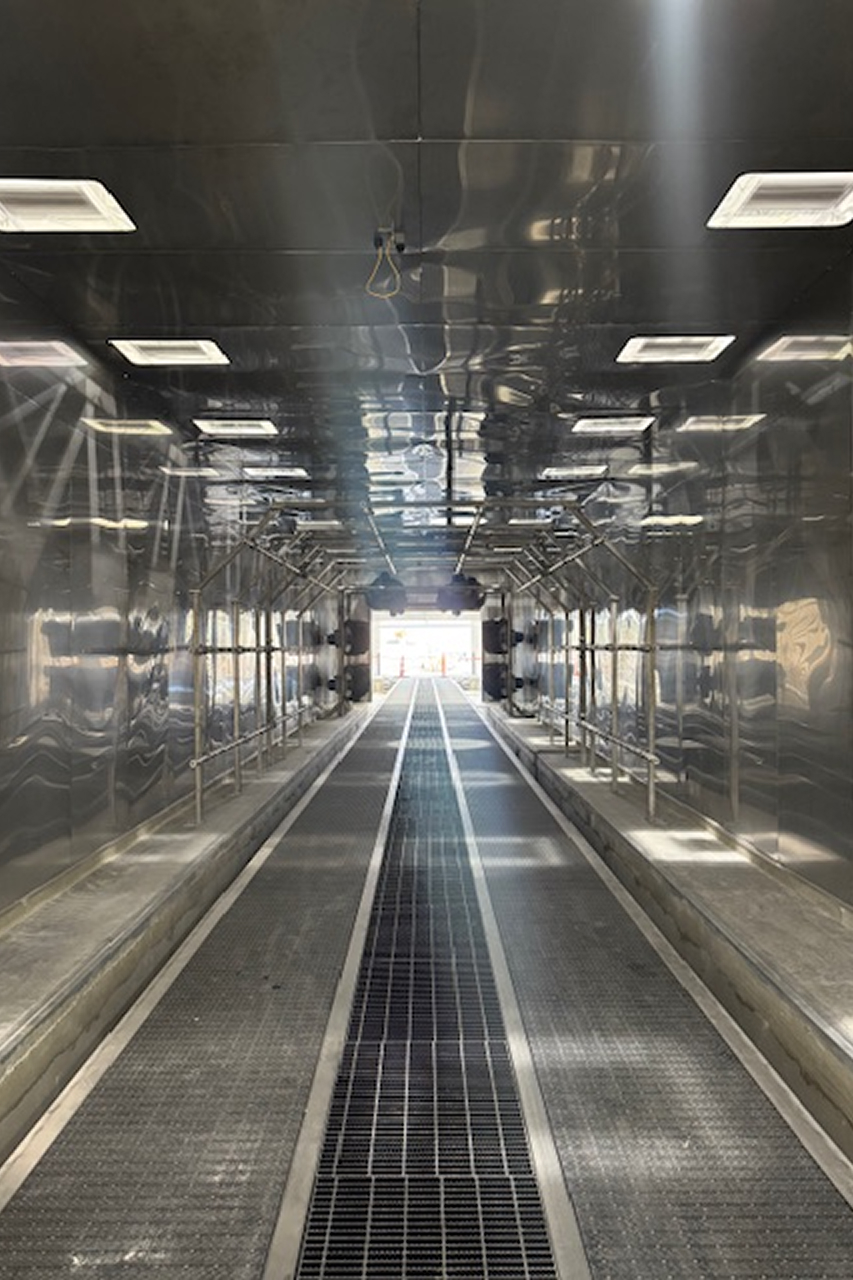
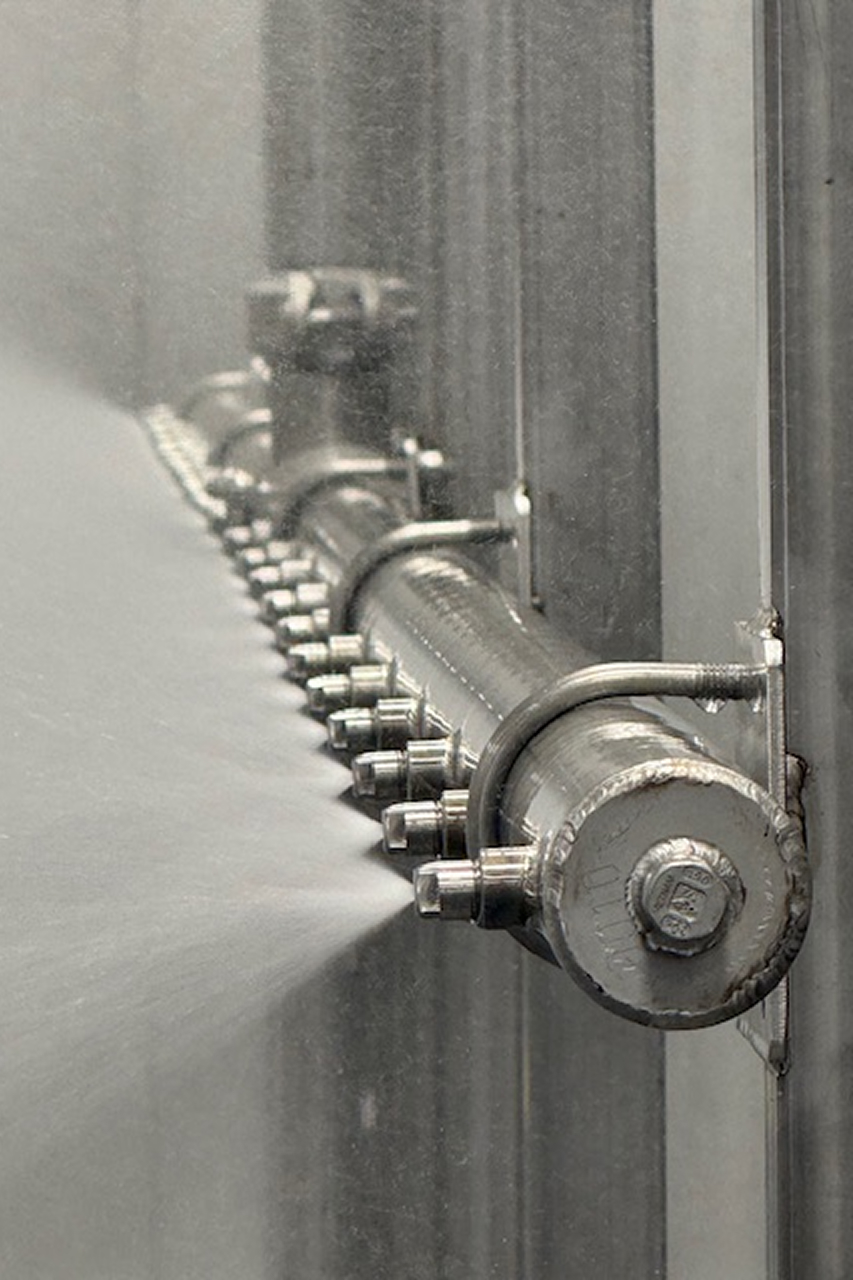
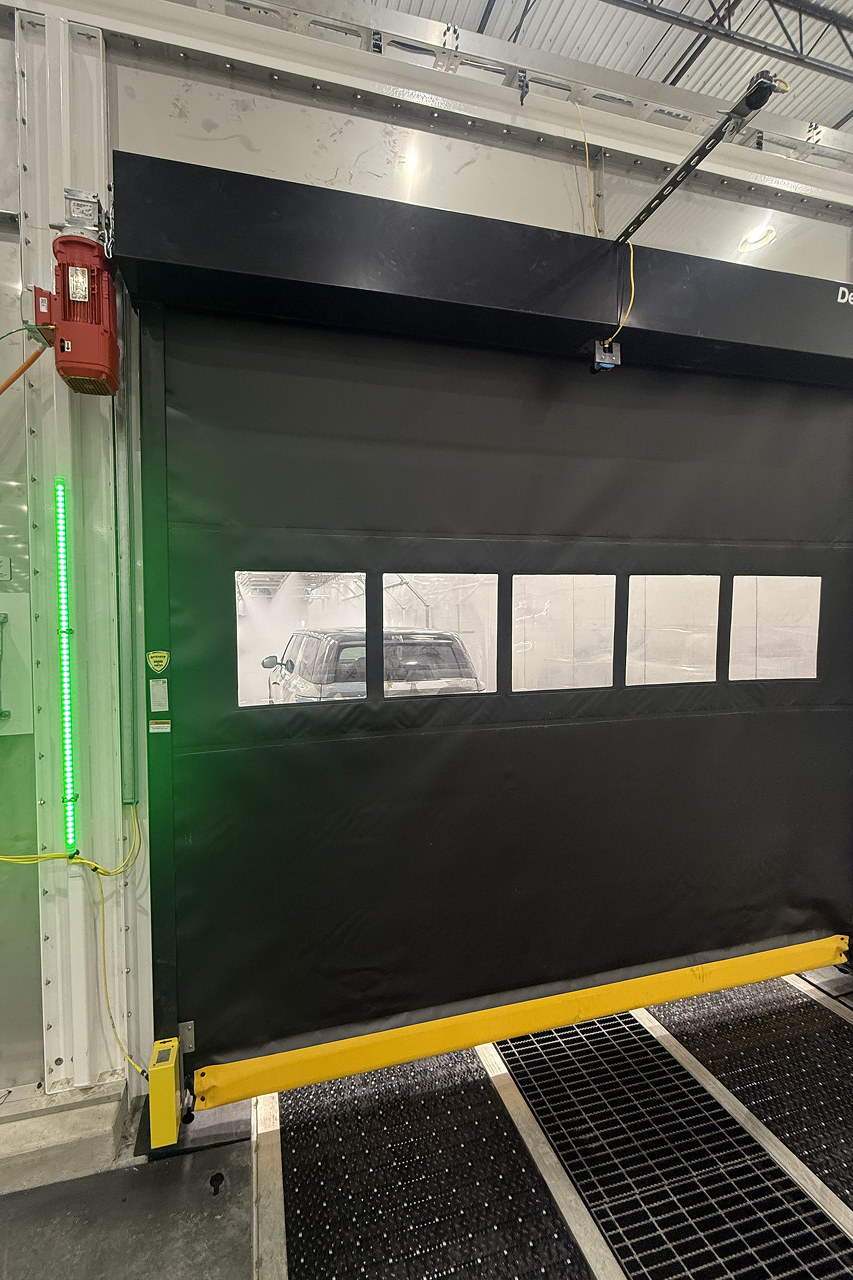
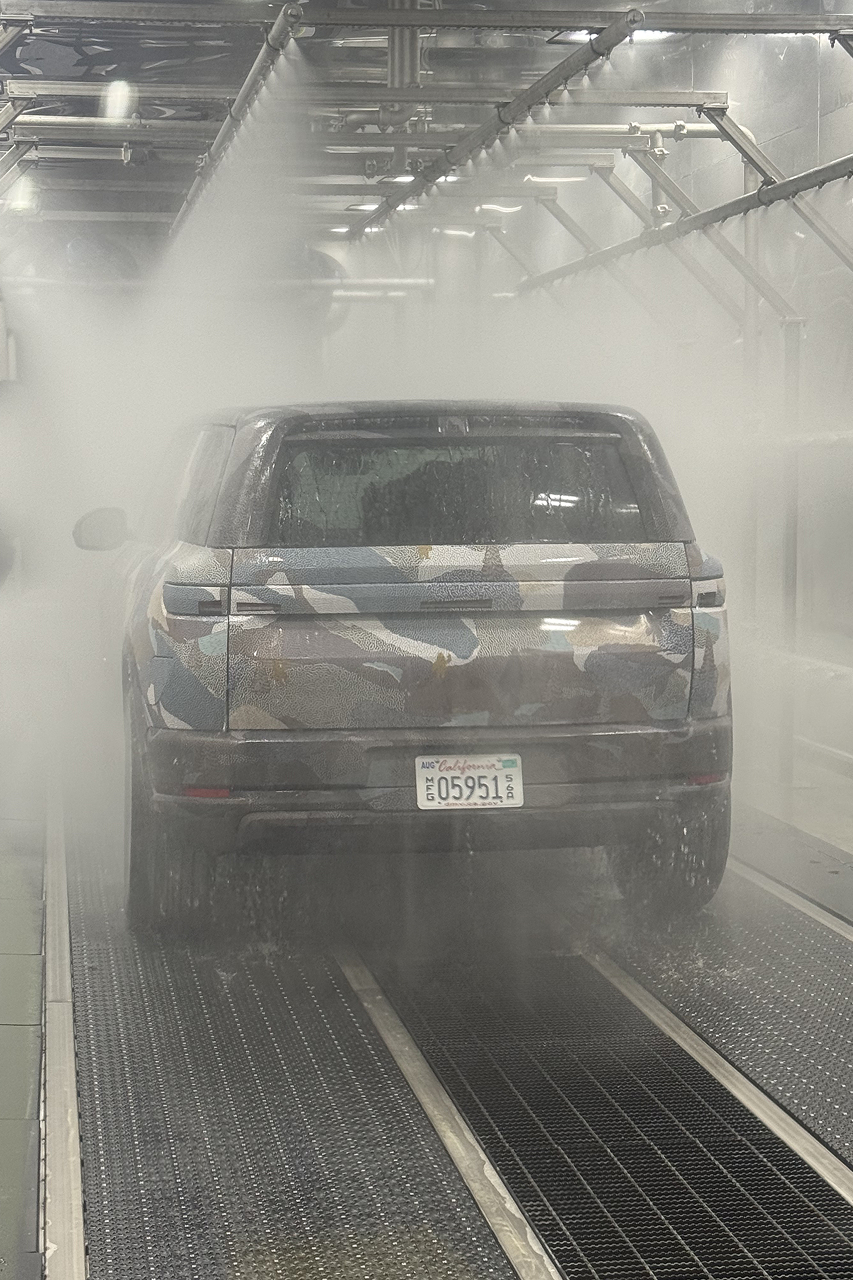
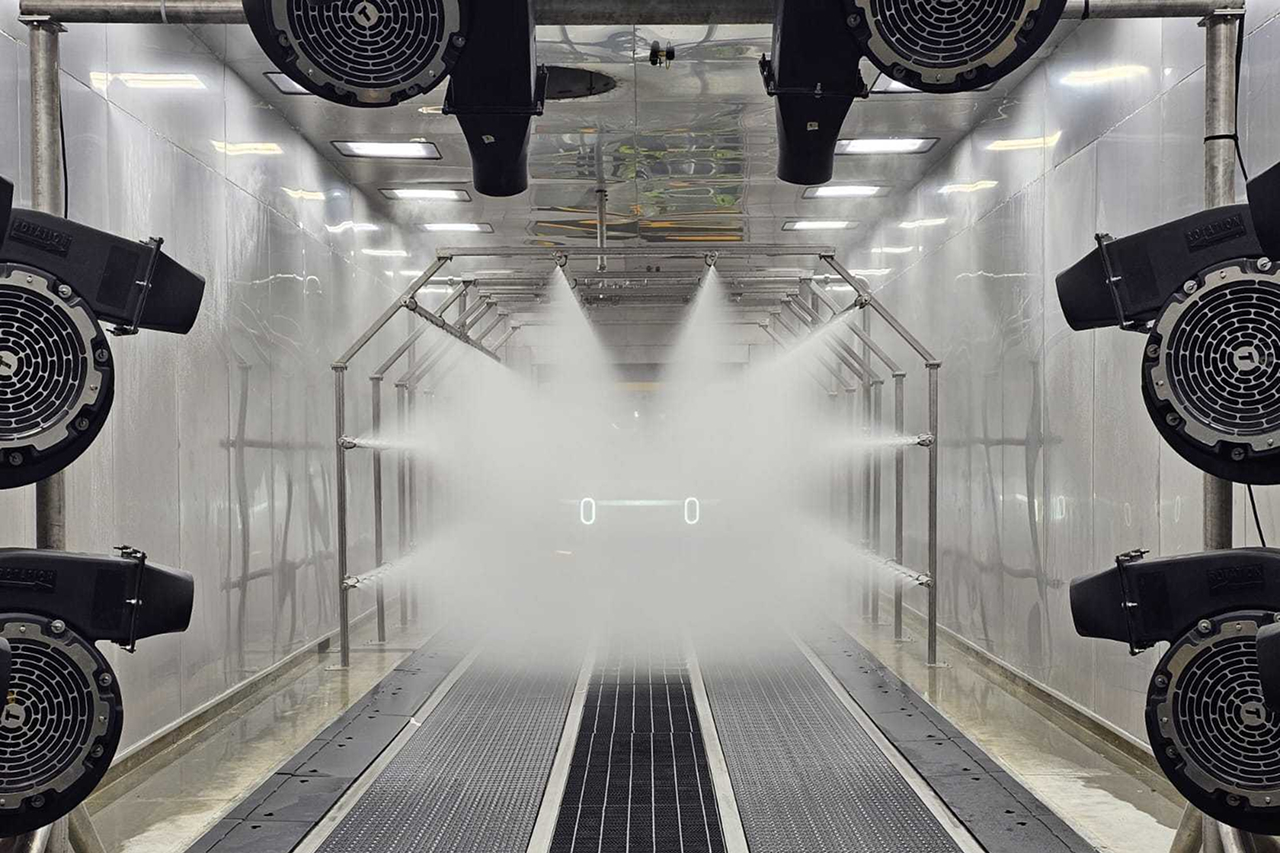
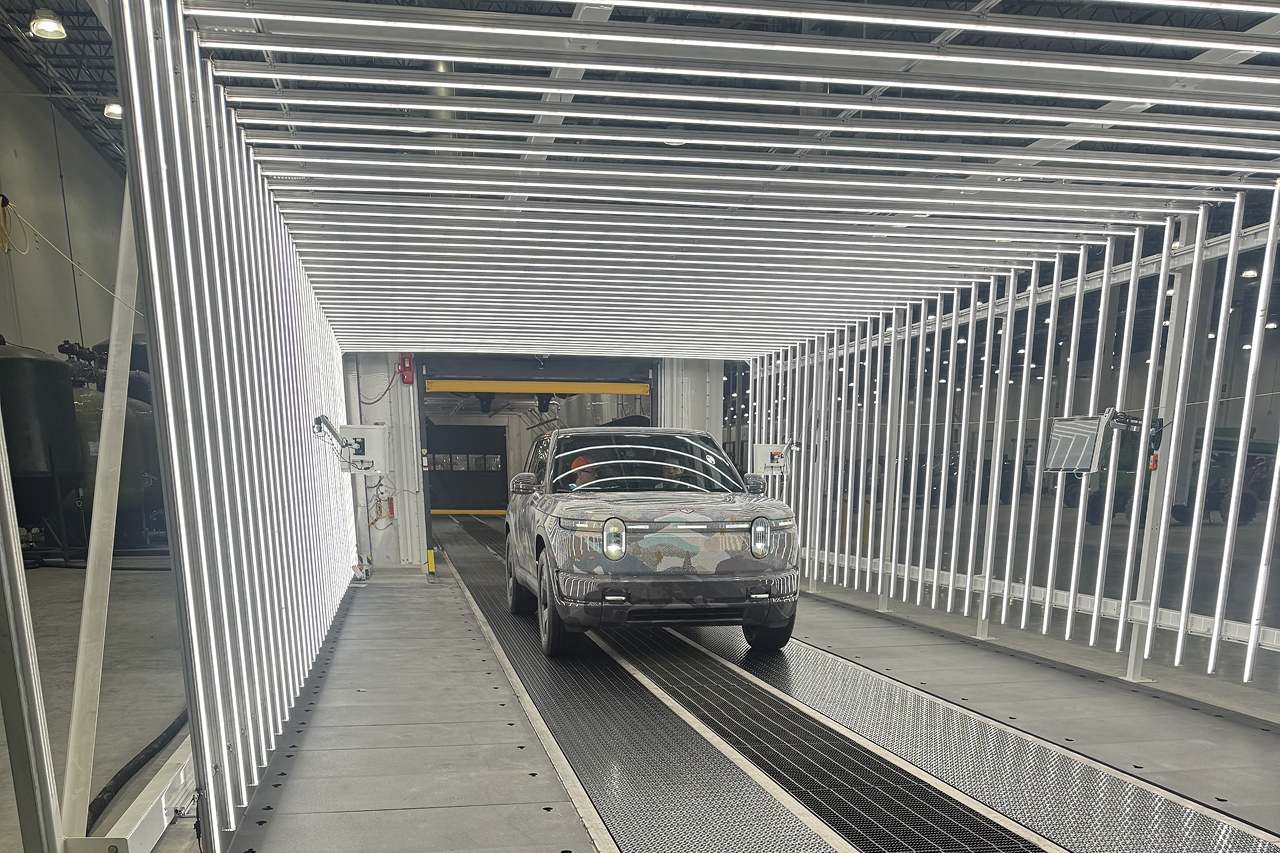
Riveer rain test stations verify products, enclosures, cabinets, and vehicles for water intrusion. Nozzles target the most likely ingress points, including seals, doors, and windows. The result is proof of watertight performance before your product leaves your warehouse.
Tailored to meet your selected test standards, our solutions deliver repeatable, controlled, conditions and parameters for reliable validation.
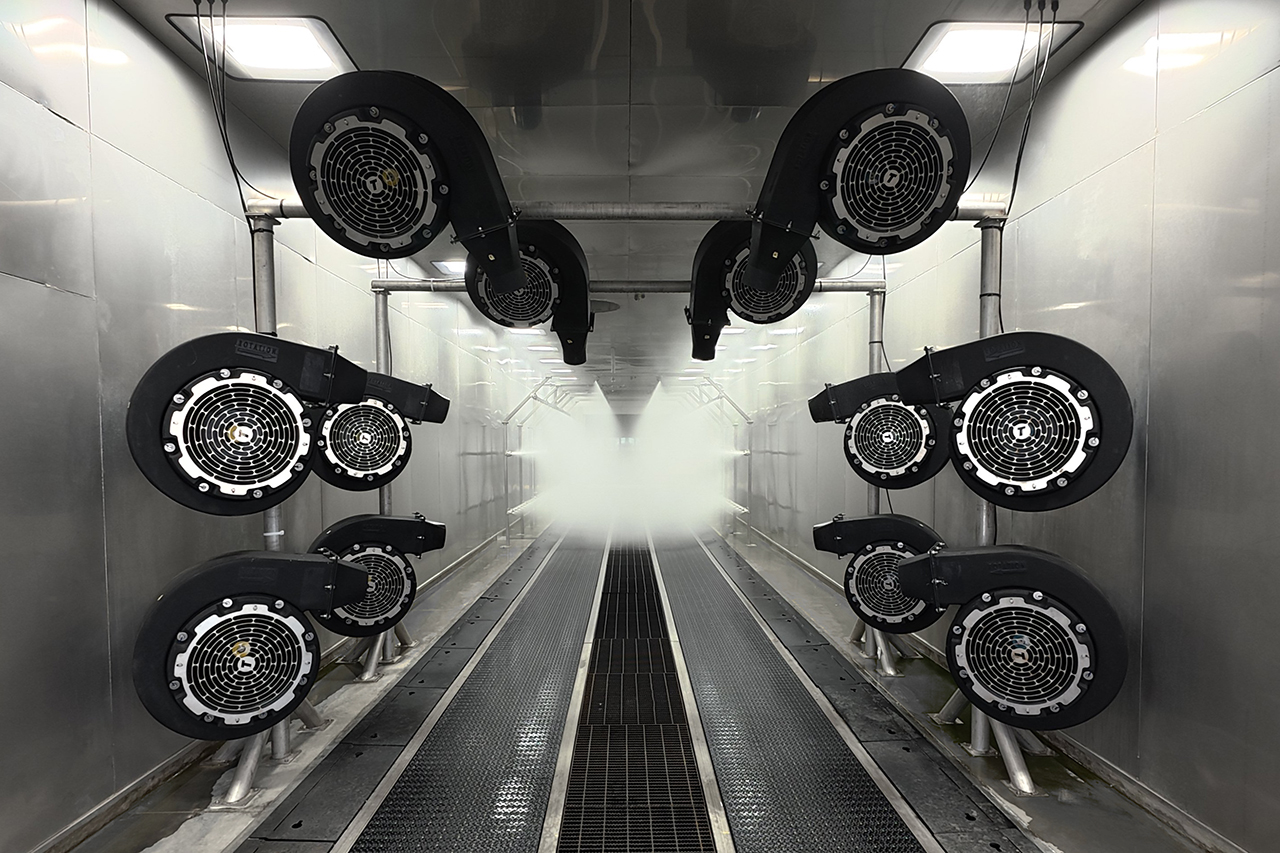
Simulate Everything From a Gentle Shower to Hurricane-Force Rain
Every rain test station is engineered to your specifications for flow rate, pressure, and spray coverage. Test conditions range from gentle shower and wind-driven rain to high-pressure and hurricane-force down pour. Adjustable cycle times from 1 to 60 minutes match your test standard. Stations can spray fresh water or recycle water for reuse. Automated controls deliver the same conditions on every cycle, so your quality data stays consistent.
Top Industries for Water leak and rain testing
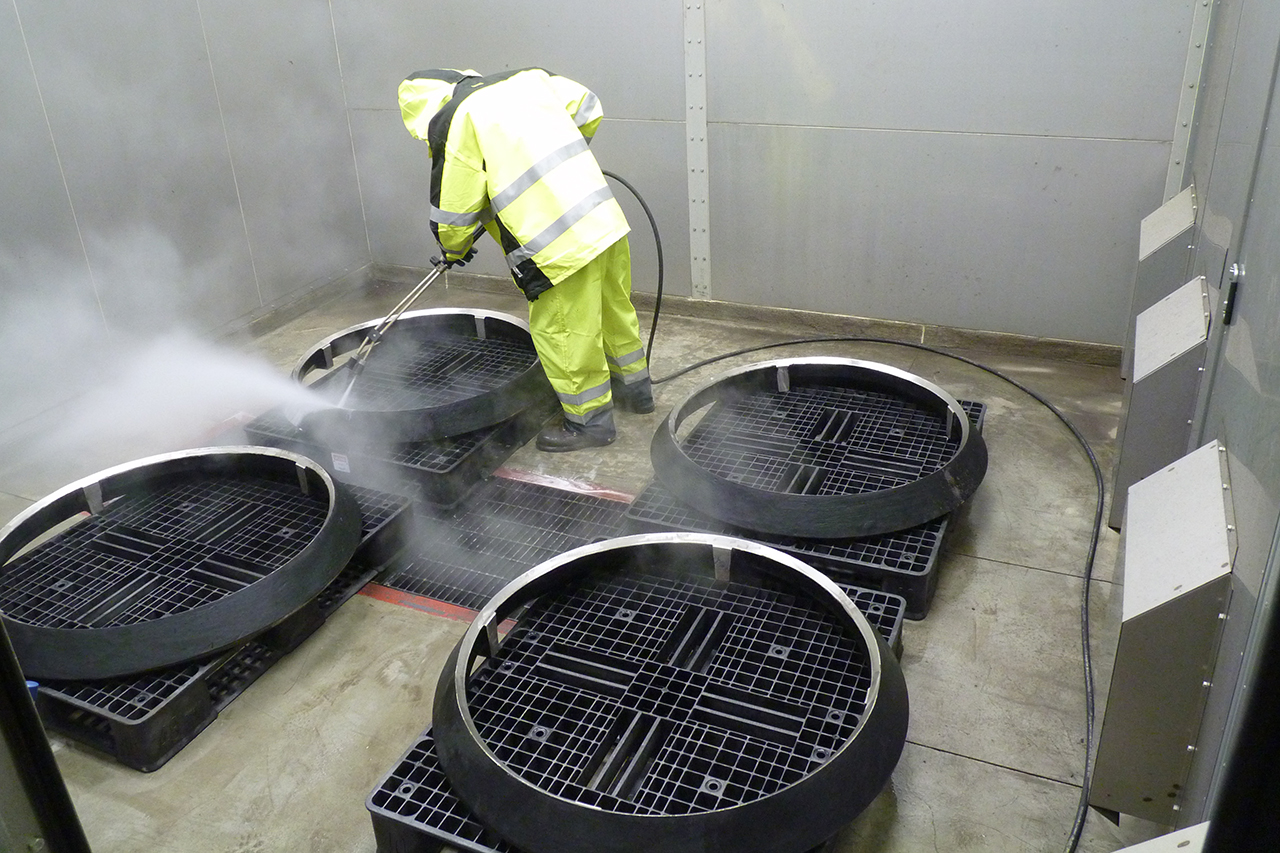
Manufacturing
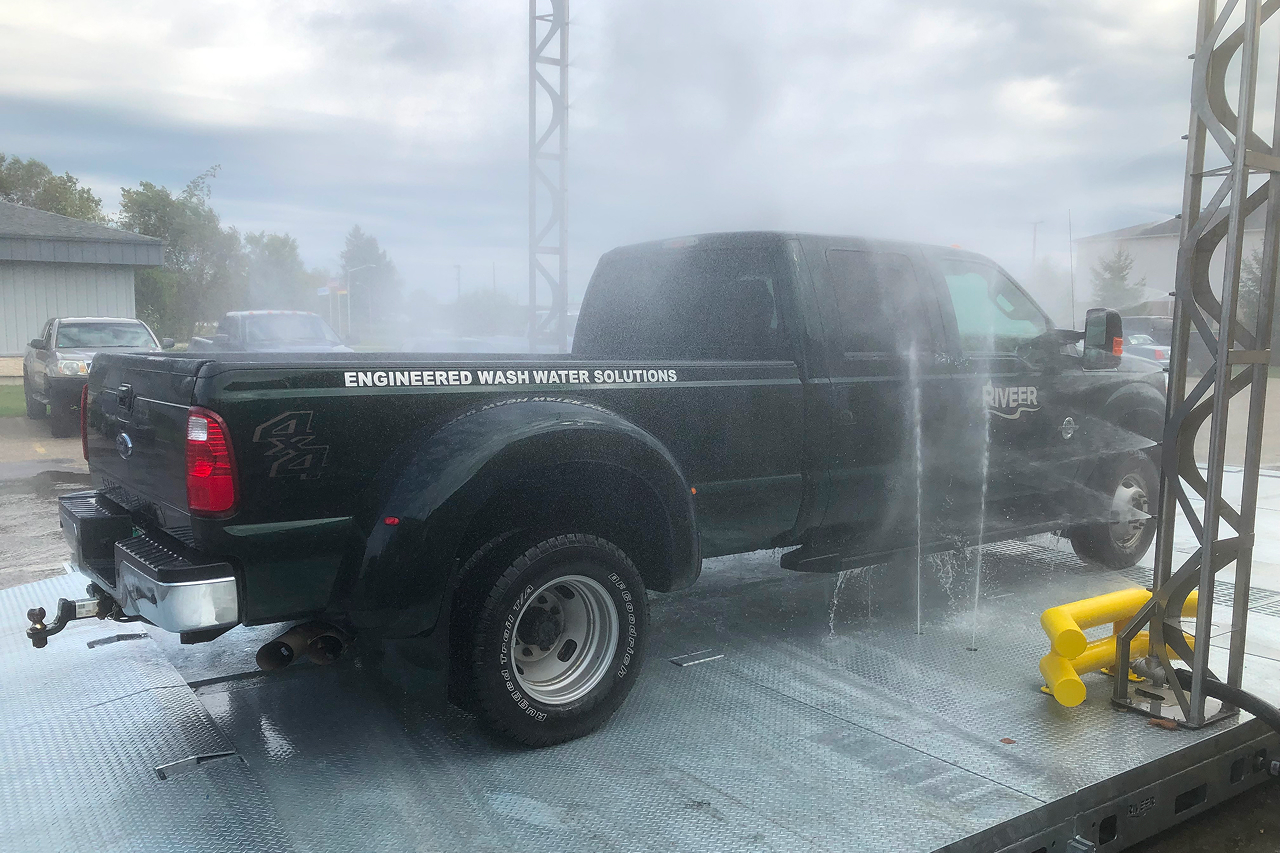
Automotive
Systems Related to Water Leak and Rain Testing
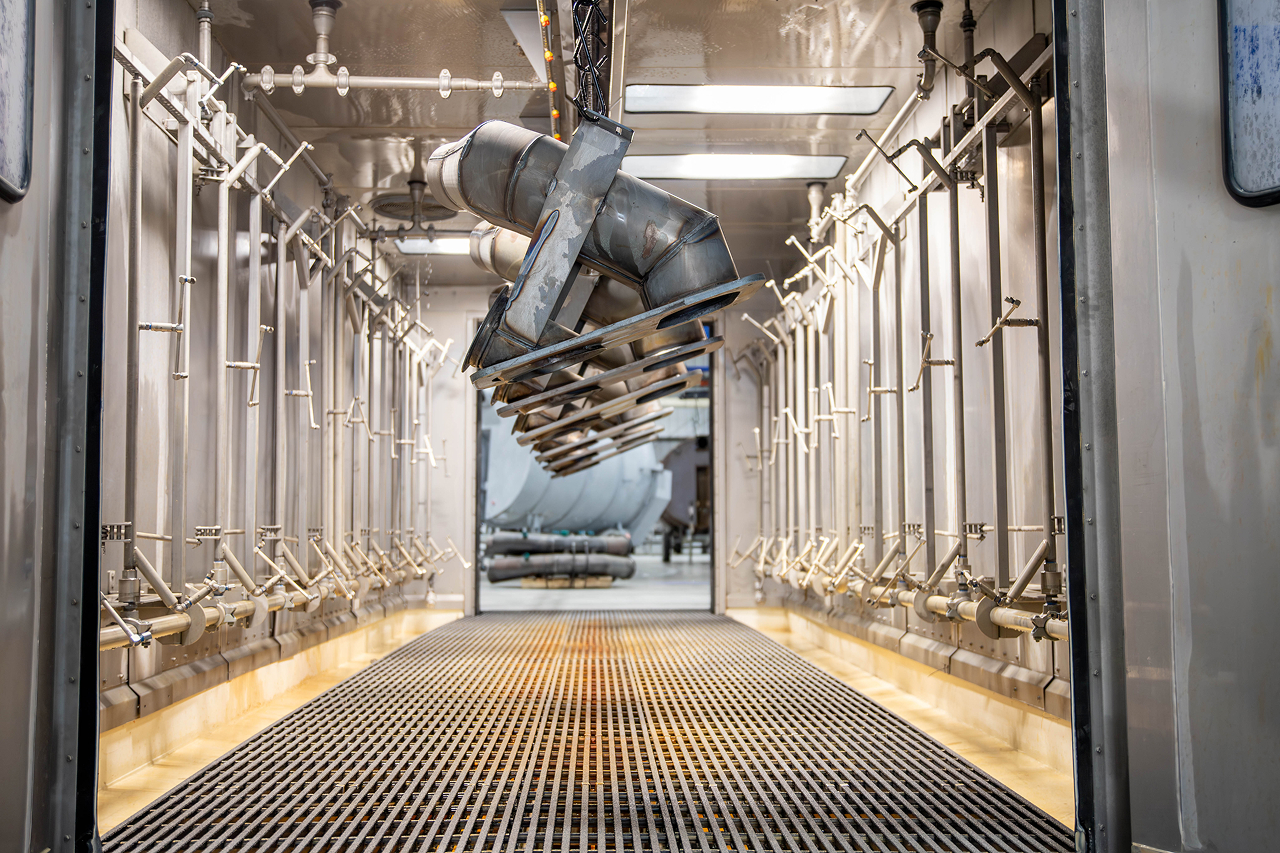
Pretreatment
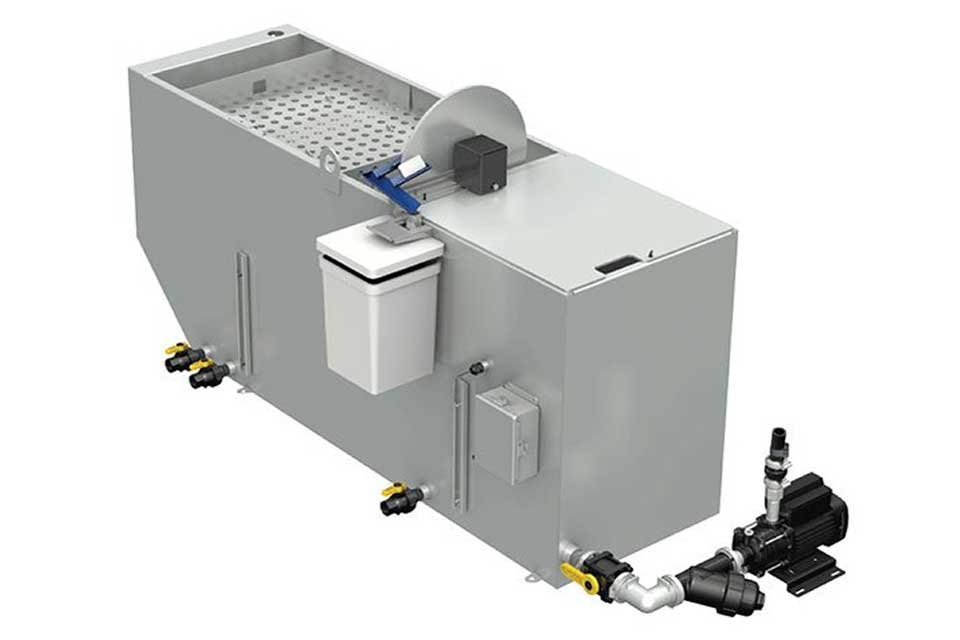
Oil Water Separators
Image Gallery
Water Leak and Rain Testing FAQs
What is water ingress testing?
Water ingress testing checks whether water can penetrate a product through seals, doors, windows, or other openings. The product is exposed to controlled spray conditions, then inspected for leaks. Rain testing verifies sealing performance before products reach end users.
How do you test a product for water leaks?
Place the product in a rain test station and run a defined spray pattern, pressure, and duration cycle. The parameters come from your chosen test standard or internal specification. After the cycle, inspect the product for water intrusion at likely failure points.
What test standards apply to water leak testing?
Common standards include MIL-STD, UL, IEC, and ISO test methods, and many OEMs layer internal specifications on top. Each standard defines parameters like flow rate, pressure, and duration. Riveer builds every station to the standards your products require.
How do OEMs test vehicles for water intrusion?
Vehicles enter a rain test station where nozzles spray water at controlled pressures and angles. Inspectors then check seals, doors, windows, and interior surfaces for leaks. This end-of-line test catches sealing defects before vehicles are delivered.
Get Started With a solution
Fill out our online form with your project details, and we’ll connect with you to understand your goals and discuss the best solution for your exact product quality assurance specifications.