
Wash Water Filtration & Treatment
Advanced Wash Water Filtration and Treatment Systems
Tough filtration challenges call for systems that can handle everything from light particulate matter to heavy solids. Riveer’s custom-engineered water filtration systems are designed to meet your specific flow and volume requirements. Our closed-loop design keeps contaminated water contained on site for treatment and reuse, ensuring zero discharge and maximum efficiency. Systems recycle wash water from above ground wash racks, concrete pad sumps, skid steer troughs, and trench drains.
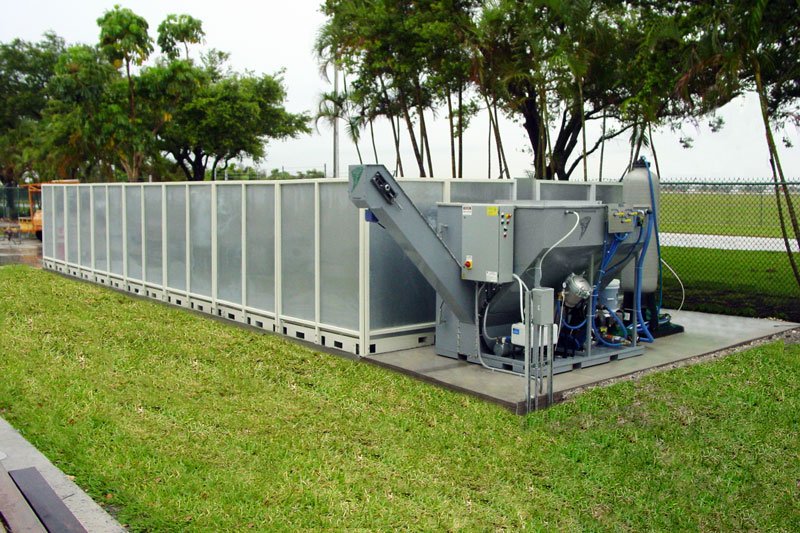
Wash Water Filtration and Treatment Experts
Each wash water system is custom-built to deliver consistent, efficient performance across a wide range of washing operations.
Water Filtration System Features:
- Zero discharge, closed-loop operation cuts waste disposal costs and conserves water
- Systems scale from standard to heavy-duty applications
- Filtration removes light and heavy solids across contamination levels allowing for wash water recycling and reduced water consumption
- Integrated oil water separators
- Custom configurations adapt to your needs including options such as high volume water cannons, heated pressure washers, heavy-duty drag conveyors, and more
Top Industries for Wash Water Filtration and Treatment
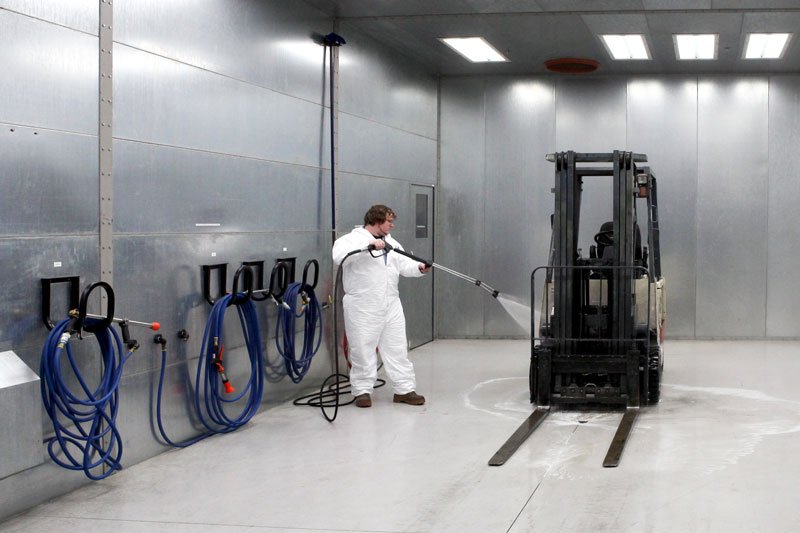
Manufacturing
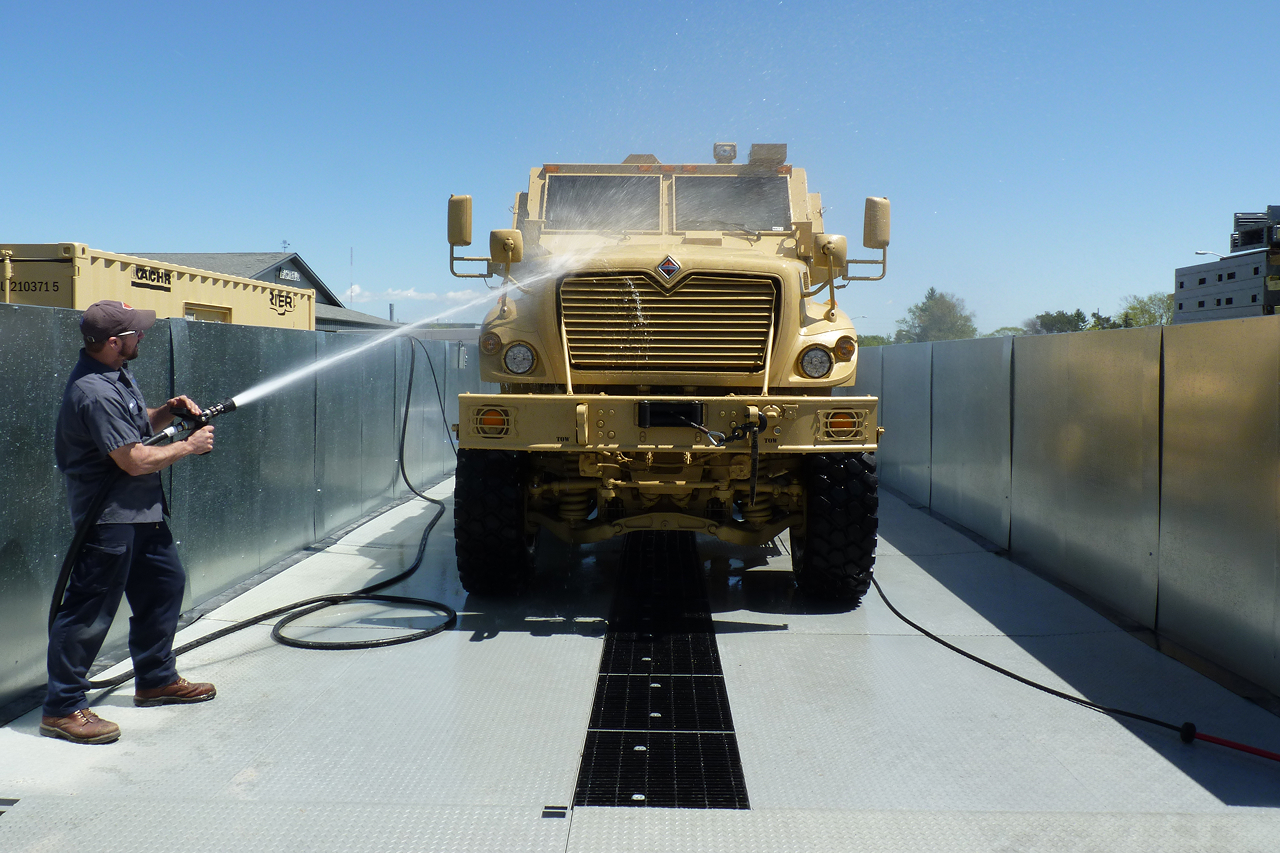
Military & Defense
Three Treatment Systems
The Riveer RTS Series of closed-loop water treatment systems is built to meet any mud and oil filtration challenge. Every model includes proven filtration processes: built-in oil-water separation, oil coalescing, oil skimming, ozone injection, and absolute filtration.
Standard Treatment System (RTS 500)
Intermediate Treatment System (RTS 3000)
Heavy-Duty Treatment System (RTS 5000)
Systems related to wash water filtration and treatment
Automation Applications
Custom Filtration and Treatment Solutions
Wash Water Treatment FAQs
How do you treat wash water for reuse?
Wash water is collected from the wash rack, sump, or trench drain and passed through multiple treatment stages. Riveer systems combine oil-water separation, oil coalescing, oil skimming, ozone injection, and absolute filtration. Up to 95% of process water returns for reuse.
How does an oil water separator work?
Riveer’s oil water separator continuously skims the water’s surface to remove even faint traces of oil. The captured oil transfers to a containment compartment where it can be removed easily.
Do I need a permit to wash equipment on site?
It depends on where your wash water goes. Discharge to storm drains or the ground is regulated, and sewer discharge typically requires approval from your local authority. A zero-discharge, closed-loop system keeps wash water contained on site for treatment and reuse, which simplifies compliance. Confirm the requirements for your site with your local authority.
What size wash water treatment system do I need?
It depends on your solids load and water volume. Compact systems handle relatively light loads, while heavy-duty systems are built for tough mud applications. Riveer reviews each application and custom-engineers the system to your specific flow and volume requirements.
Get Started With a SOLUTION
Treat your toughest filtration challenges with zero-discharge processes. Fill out our online form with your project details, and we’ll connect with you to discuss the best solution for your needs.